Solar X Canada Frequently Asked Questions
Do solar panels work in Canadian weather conditions?
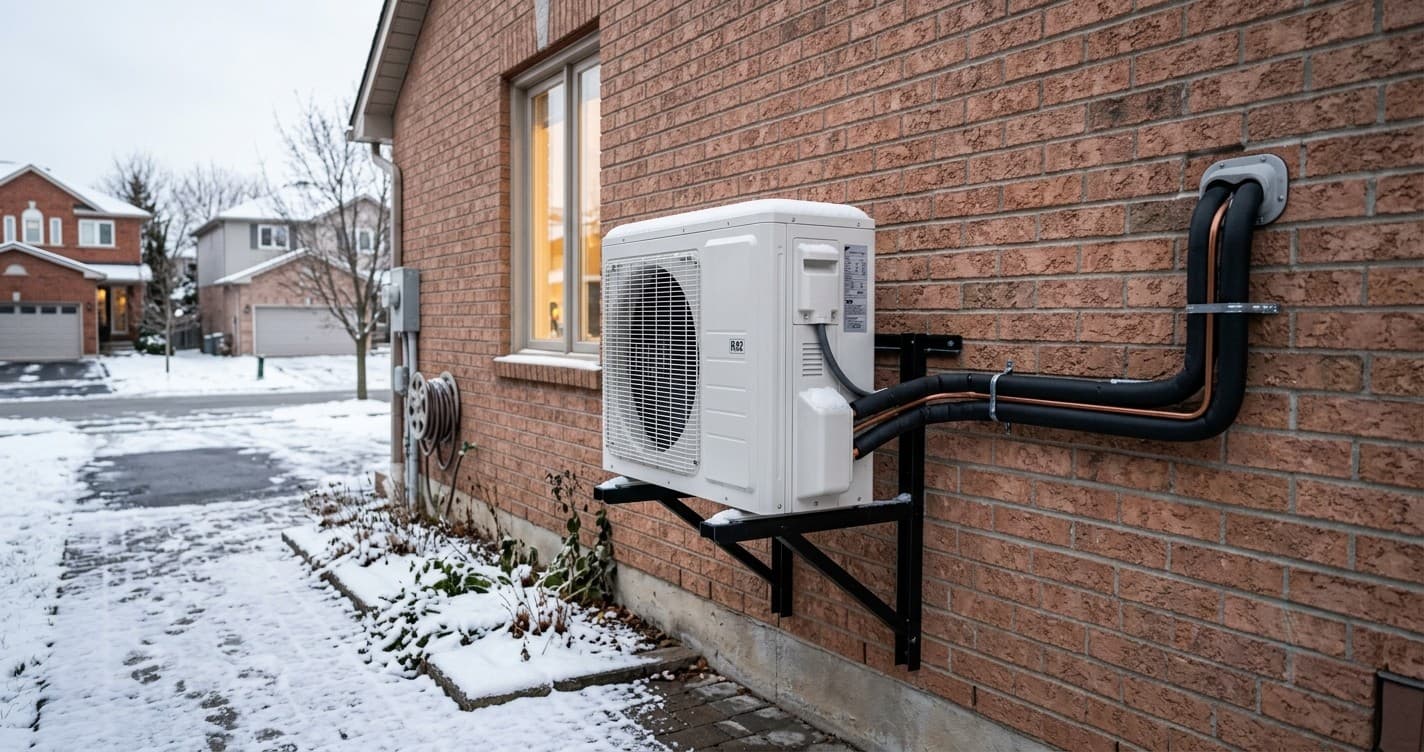
Yes. Canadian solar systems are engineered for cold temperatures and variable weather conditions. Solar PV systems perform more efficiently in cooler climates than in extreme heat and continue generating electricity during winter using daylight and reflected light from snow. Solar X designs systems using historical Canadian weather data to ensure reliable annual production.
How much can solar reduce my electricity costs?
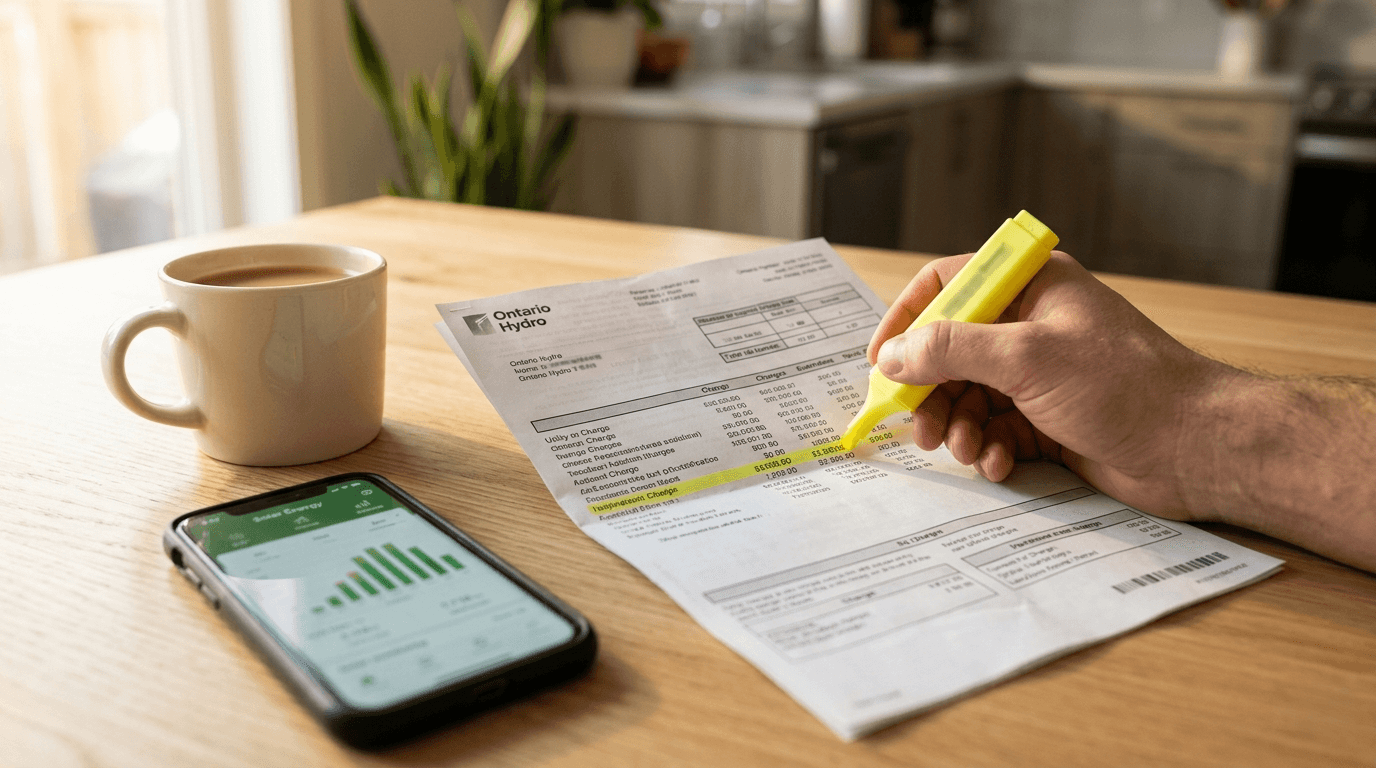
A properly designed solar PV system can reduce electricity costs by 30% to 90%, depending on system size and energy usage. By generating your own clean energy, you reduce exposure to rising utility rates and stabilize long-term energy bills.
What system size do I need to power my home?
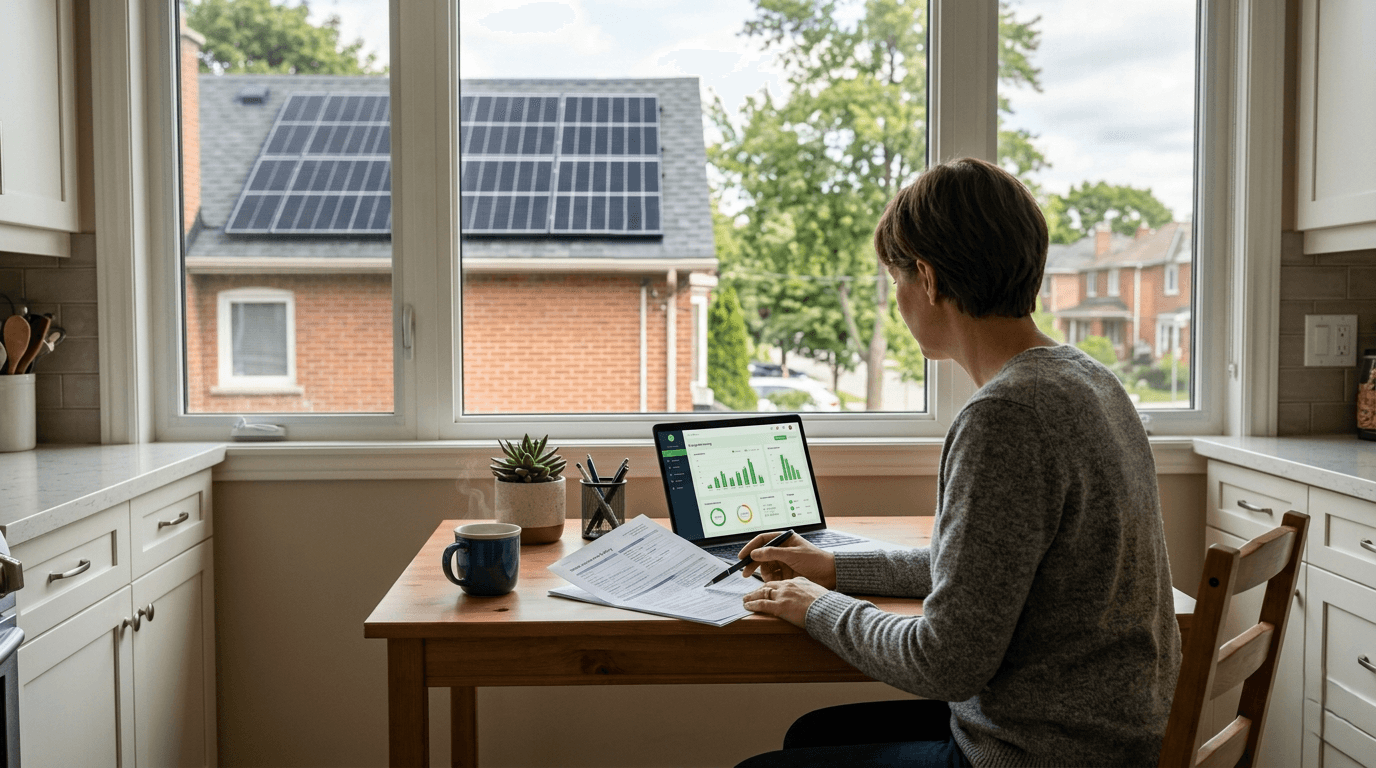
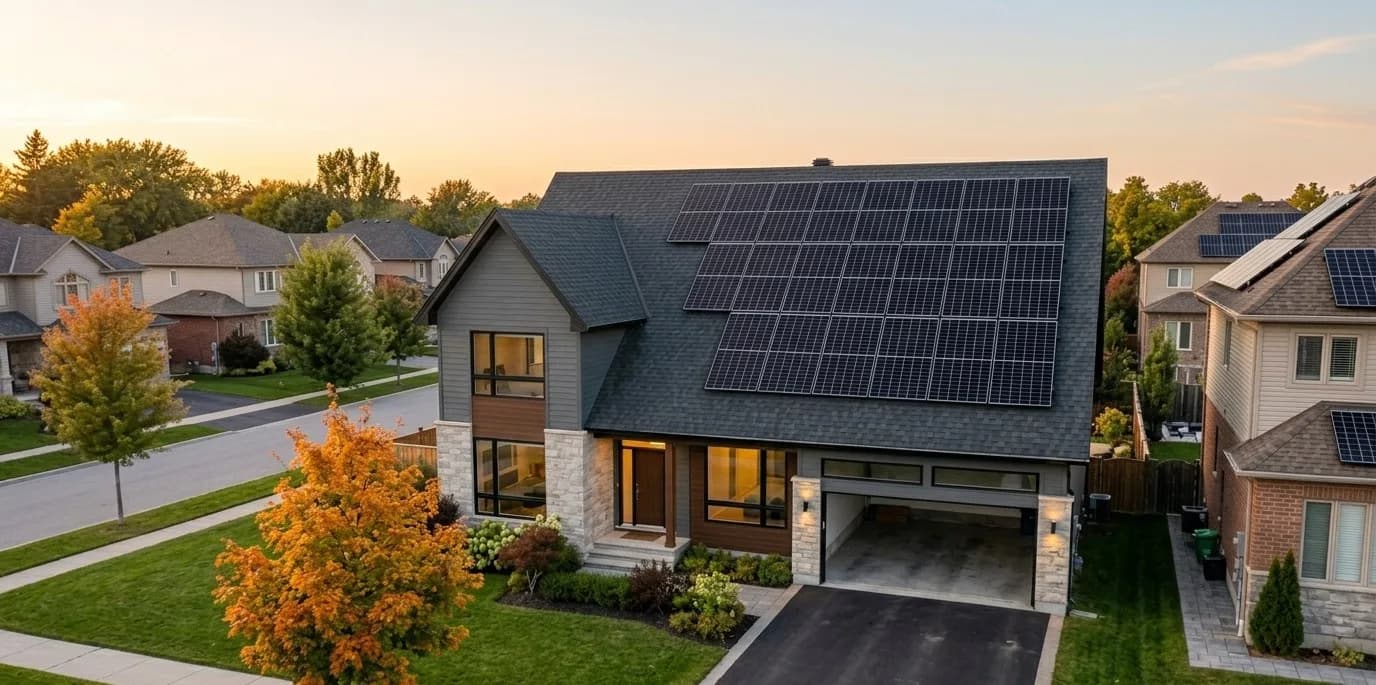
System size depends on your annual electricity consumption, available roof space, and sunlight exposure. Most Canadian homes install between 5 kW and 10 kW. Solar X determines your system size using your actual energy bills and roof layout, not generic estimates.
Is my roofing material suitable for rooftop solar?
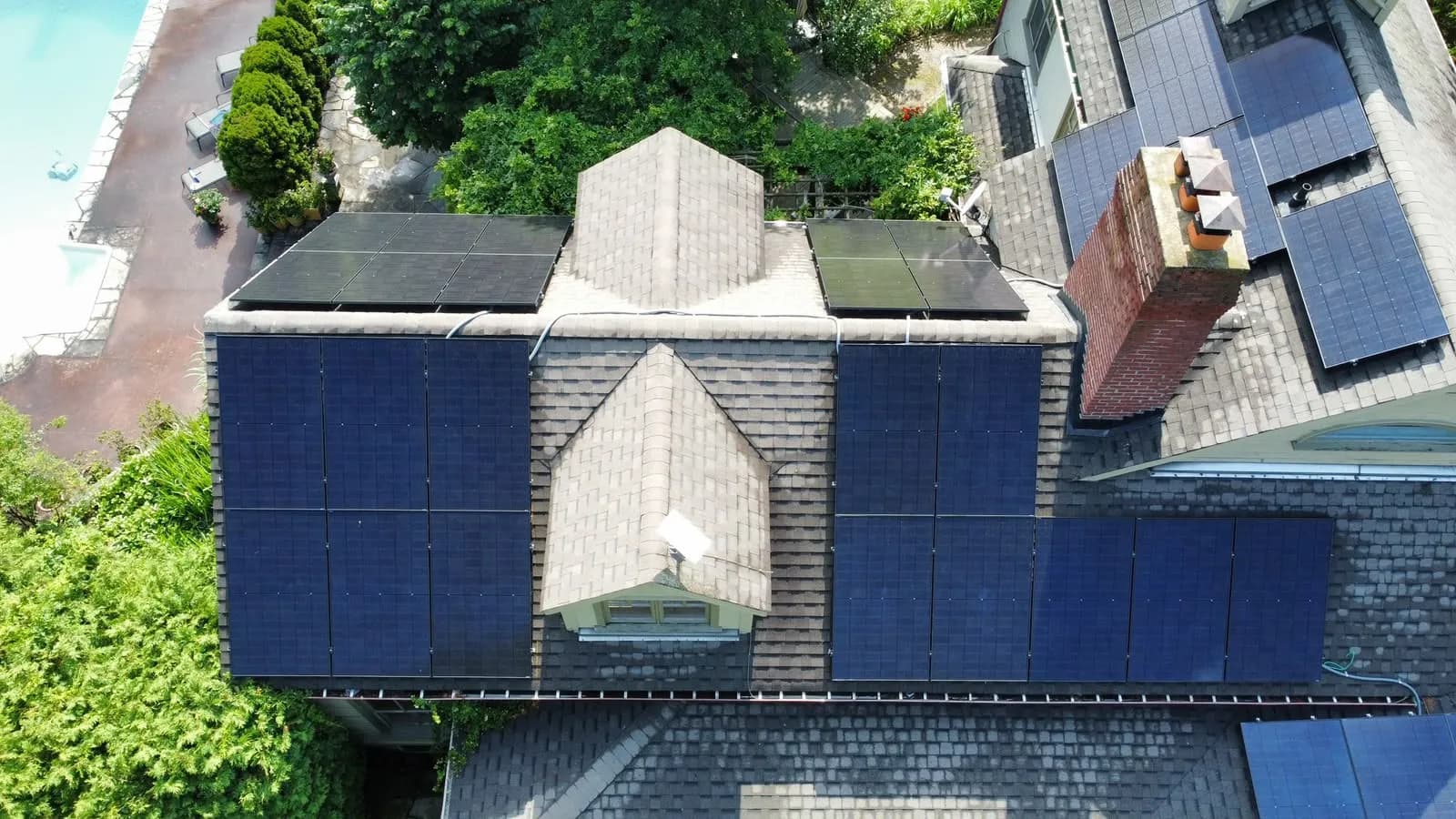
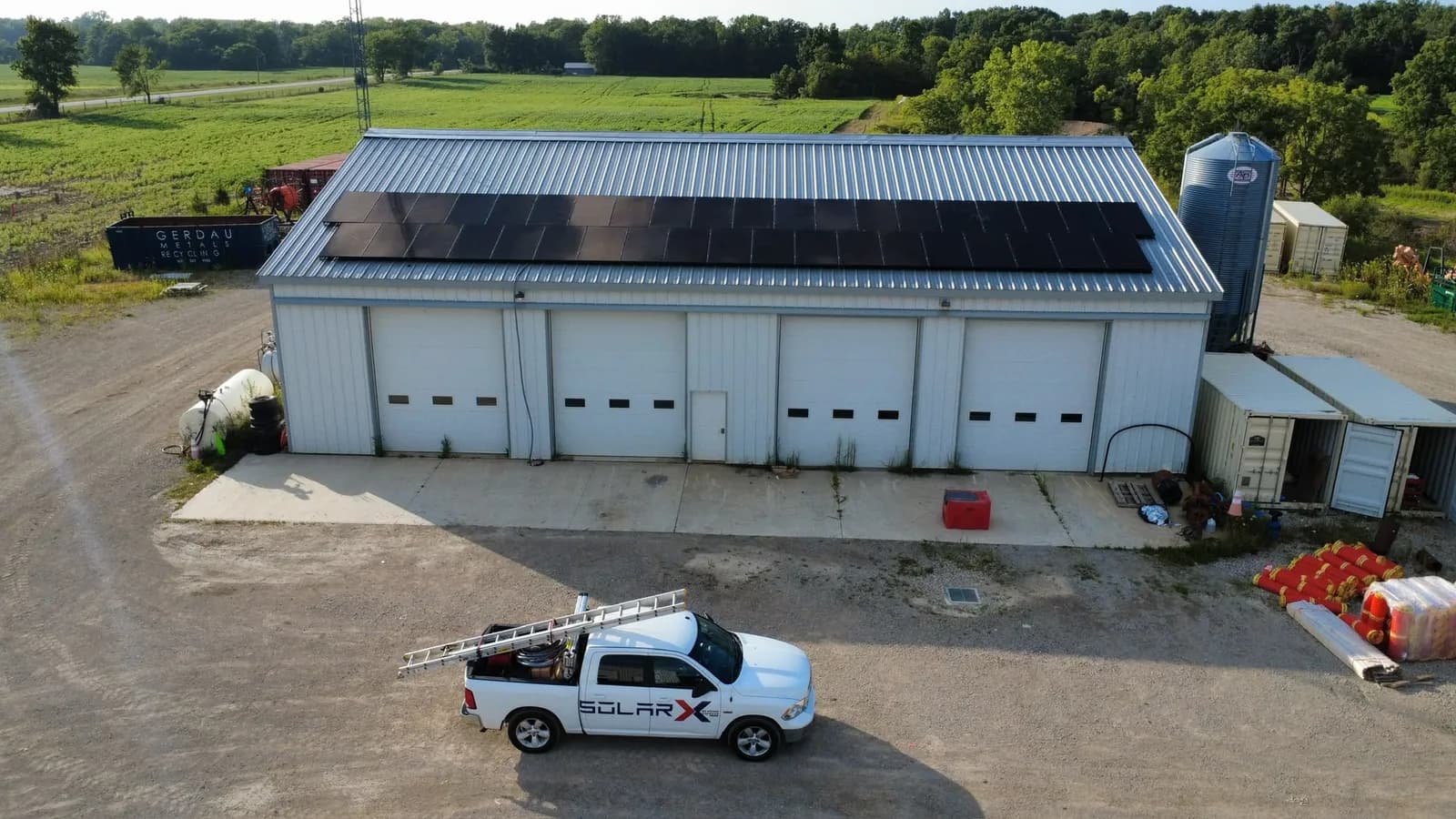
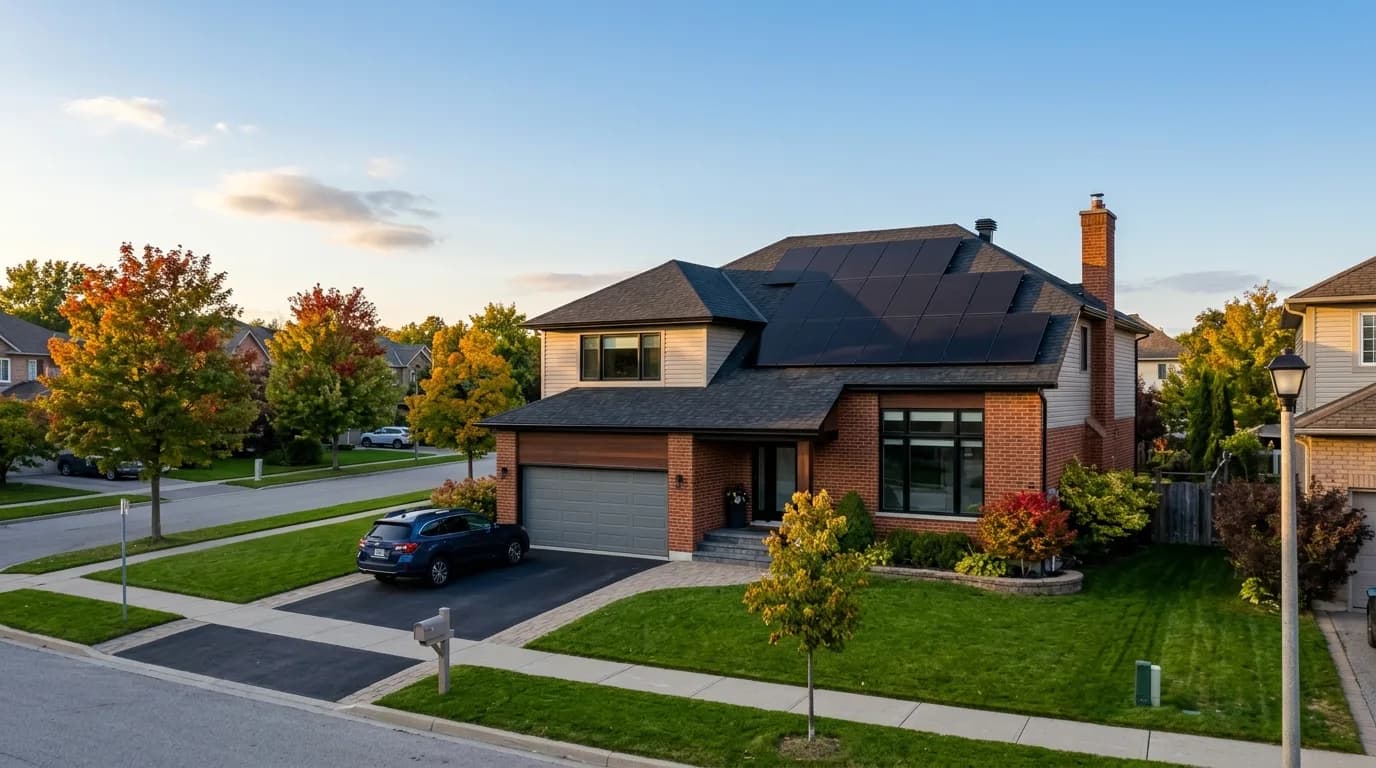
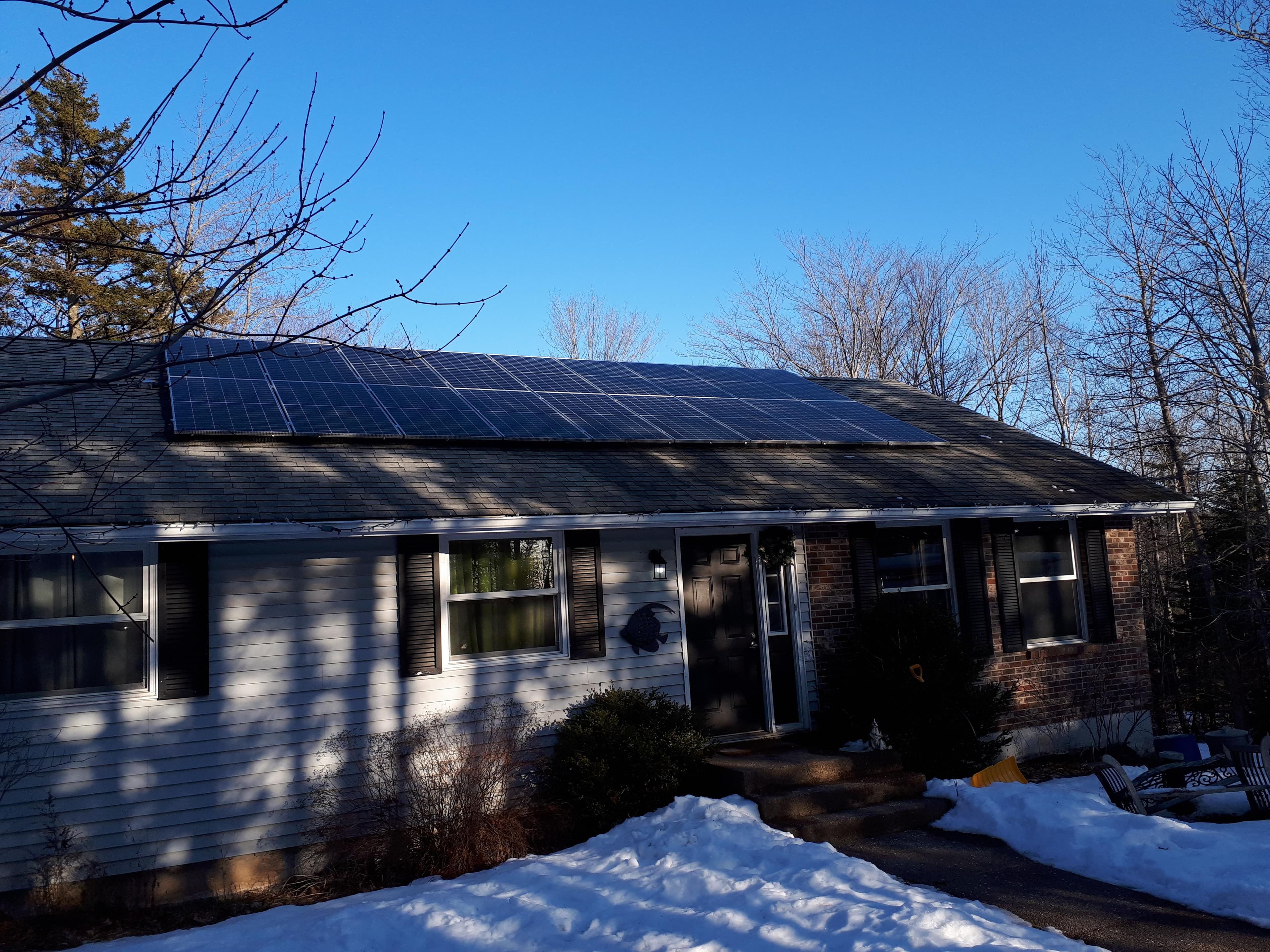
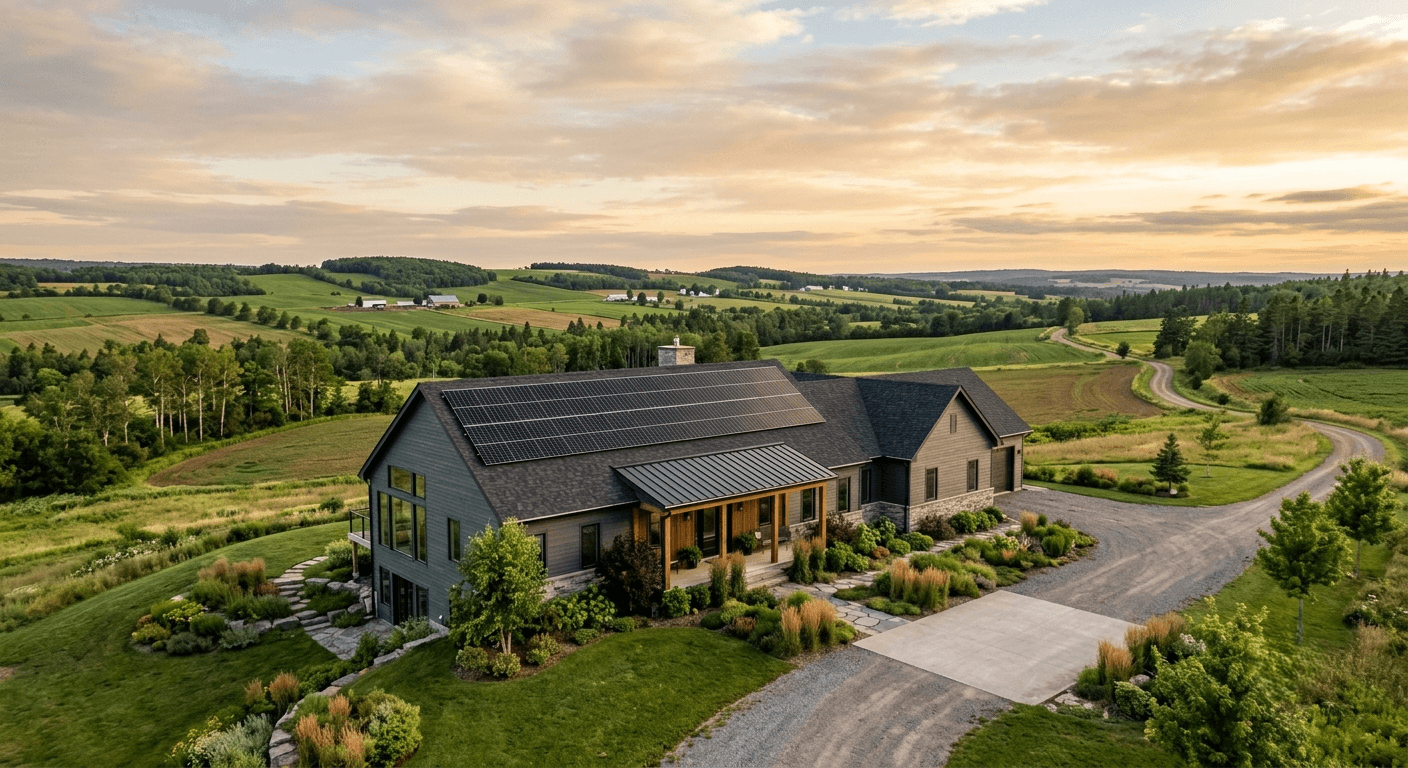
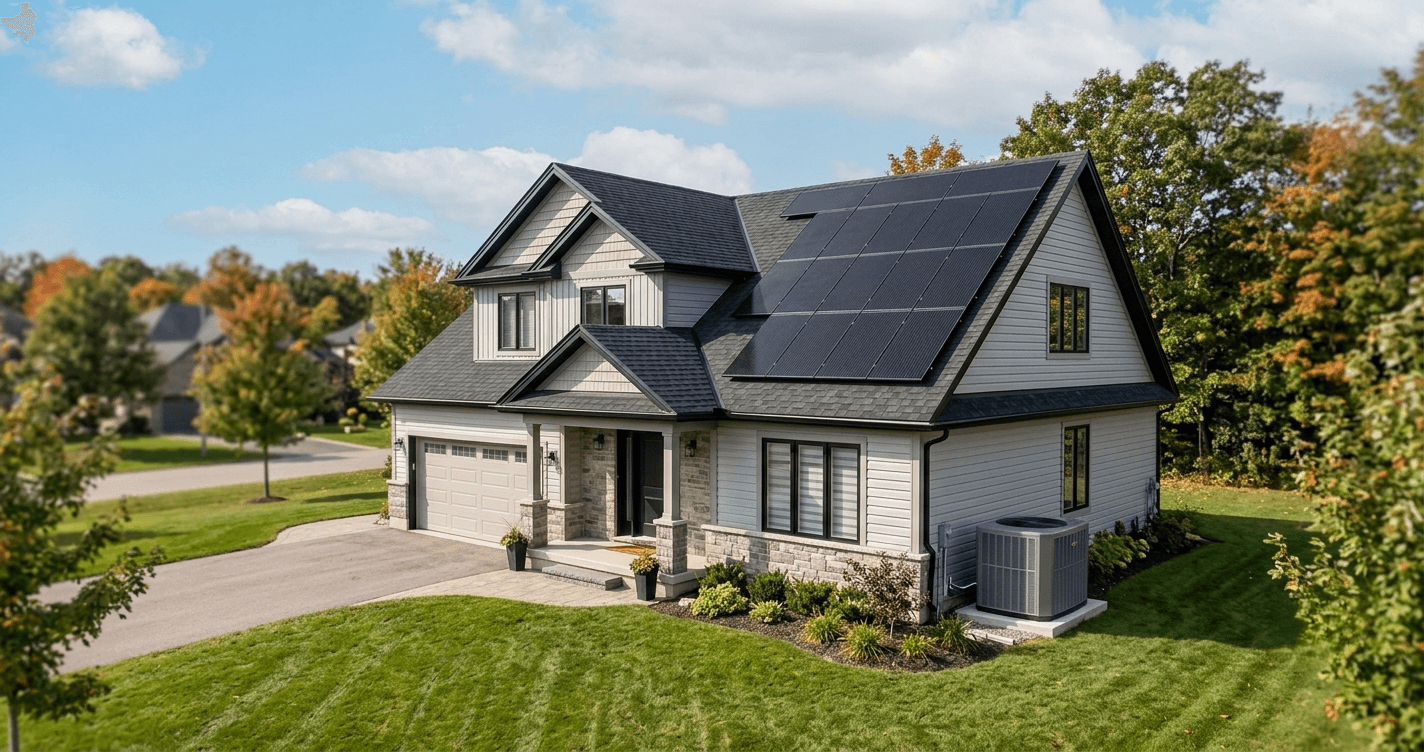
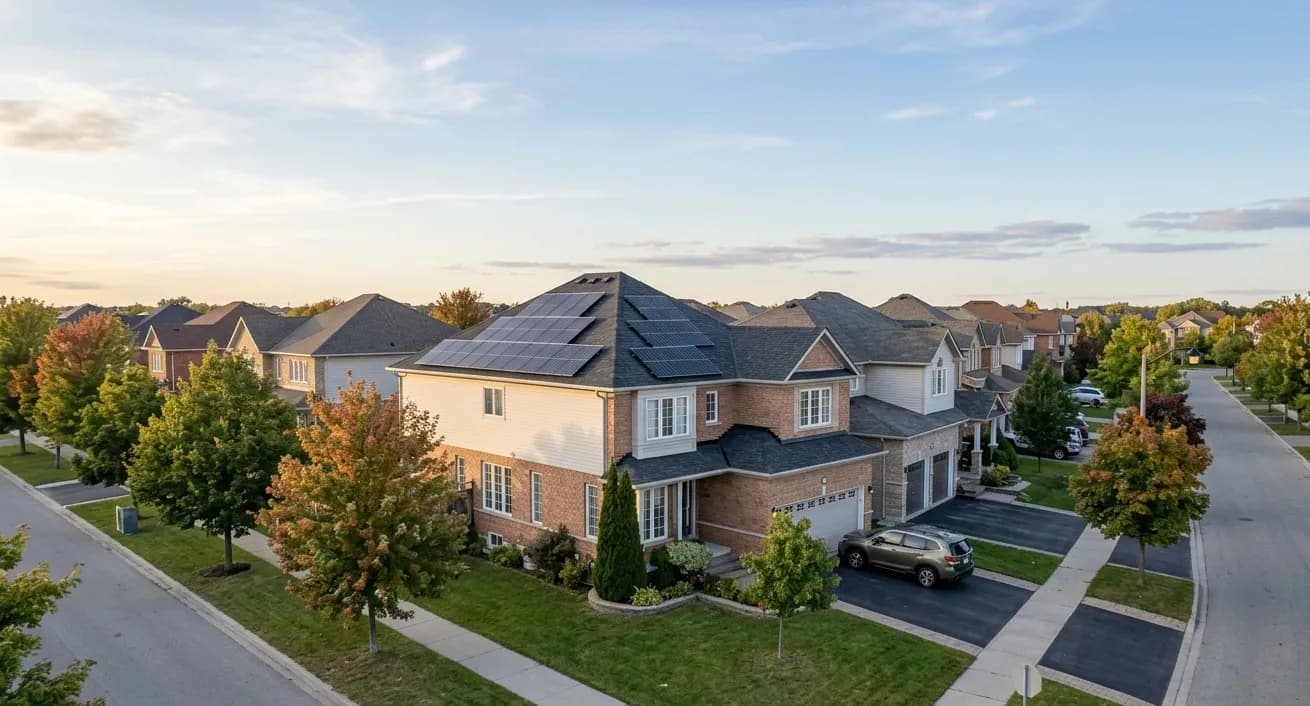
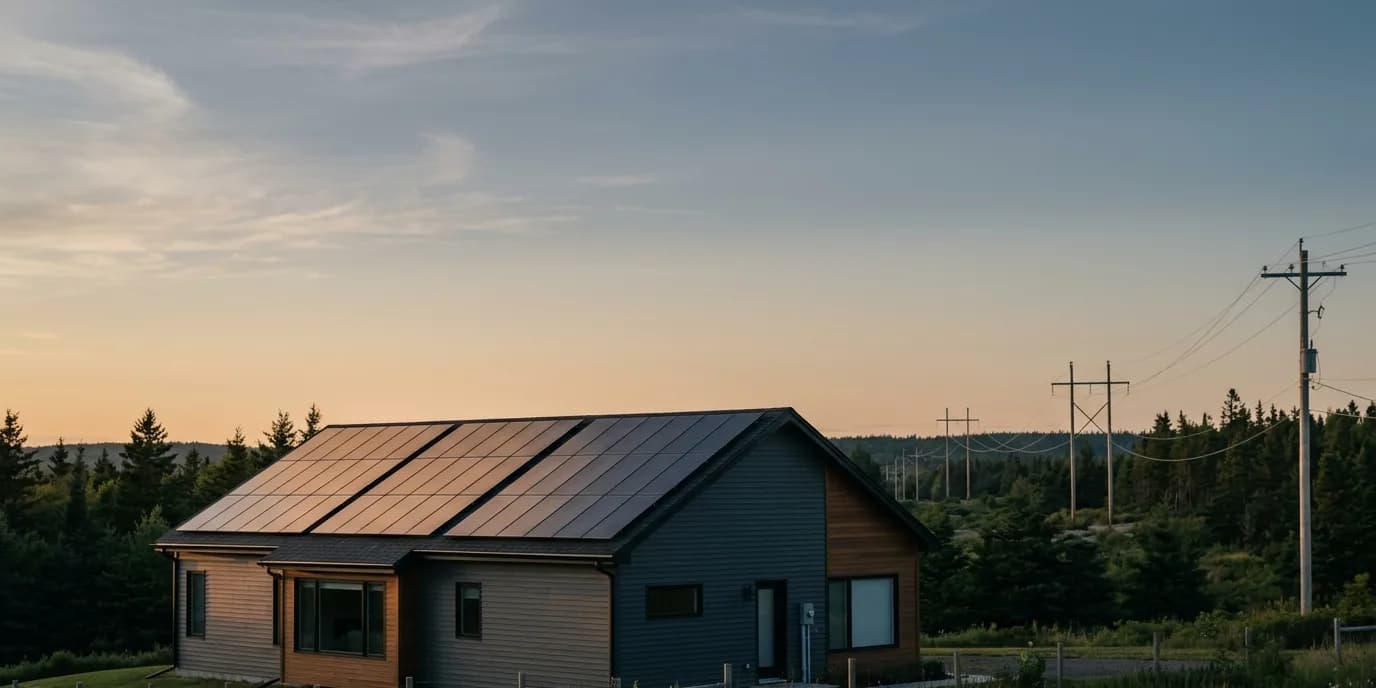
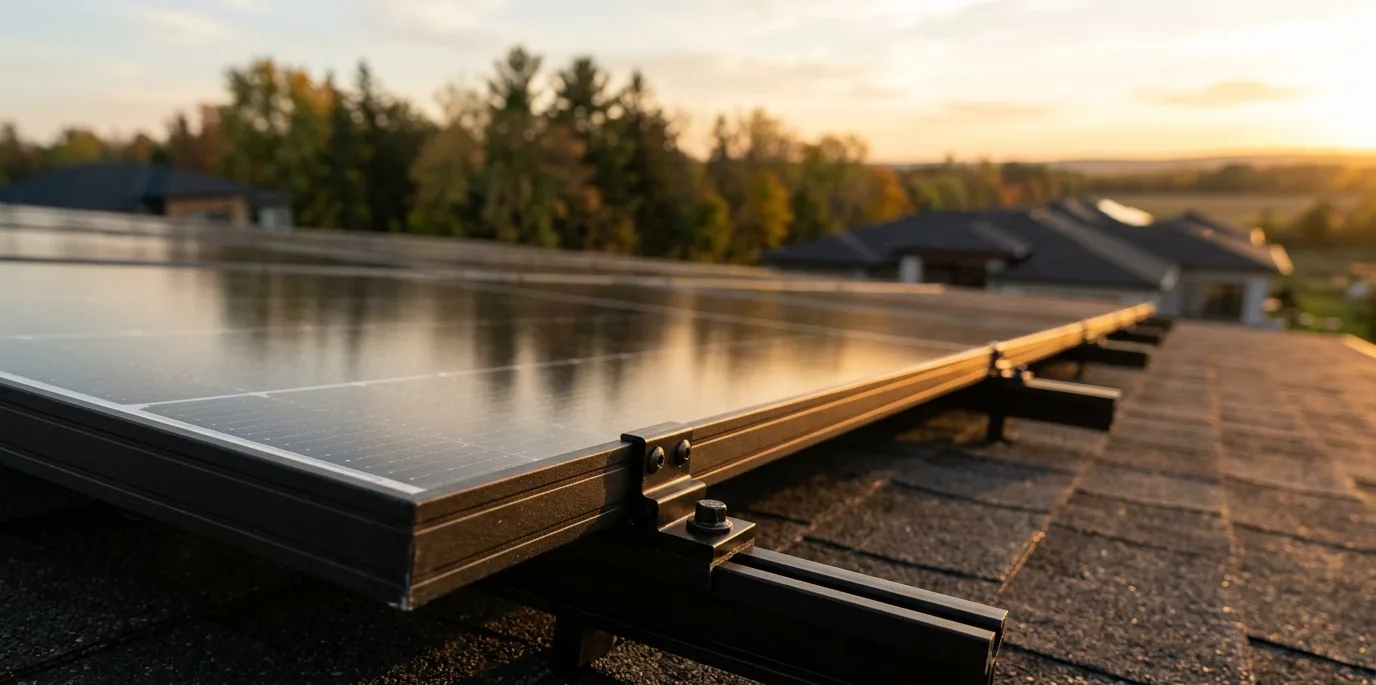
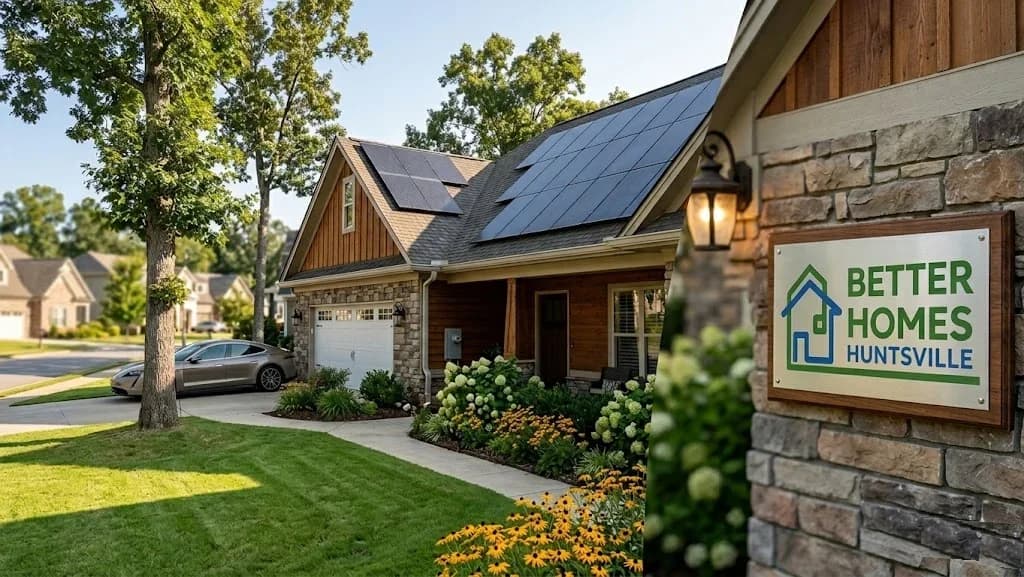
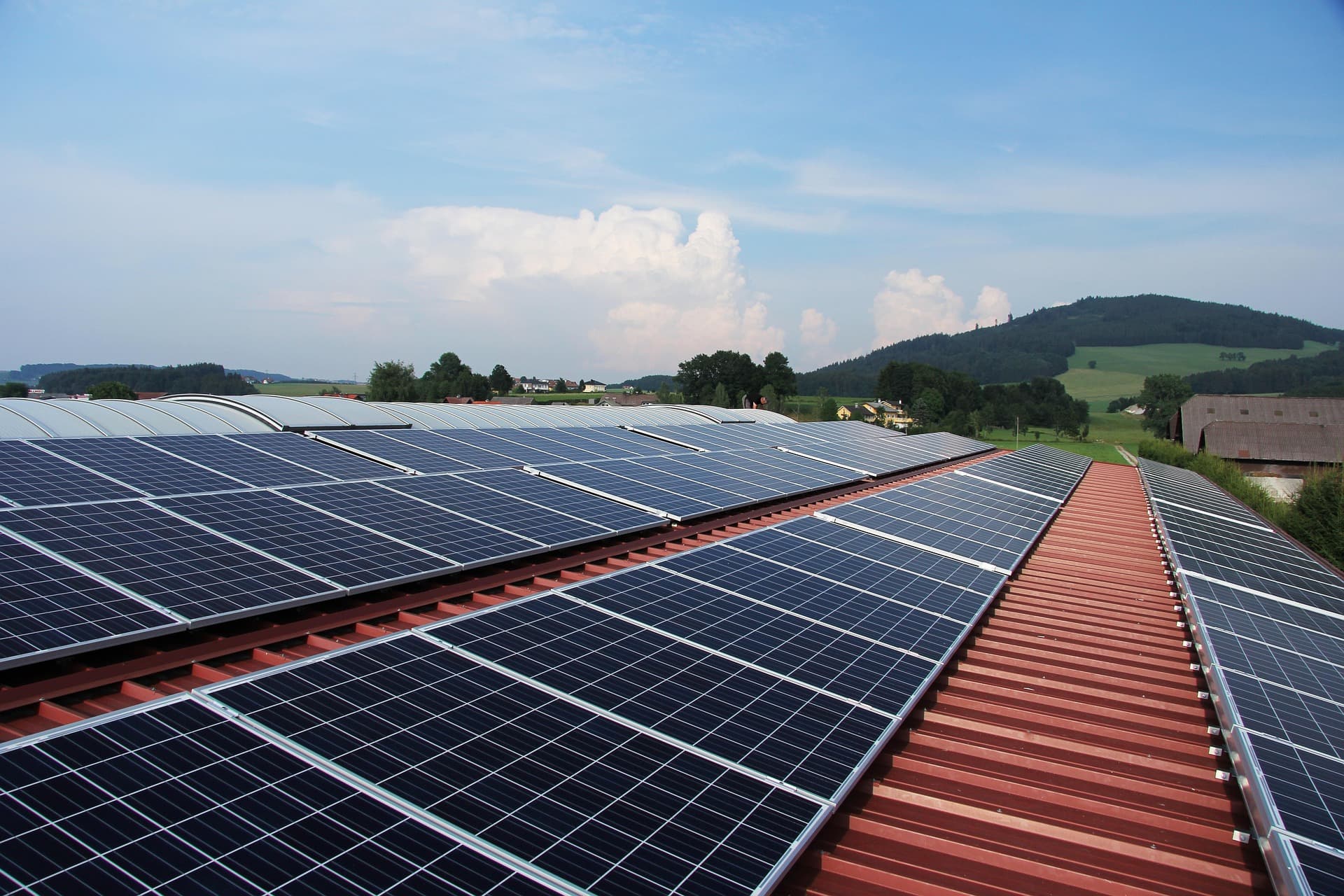
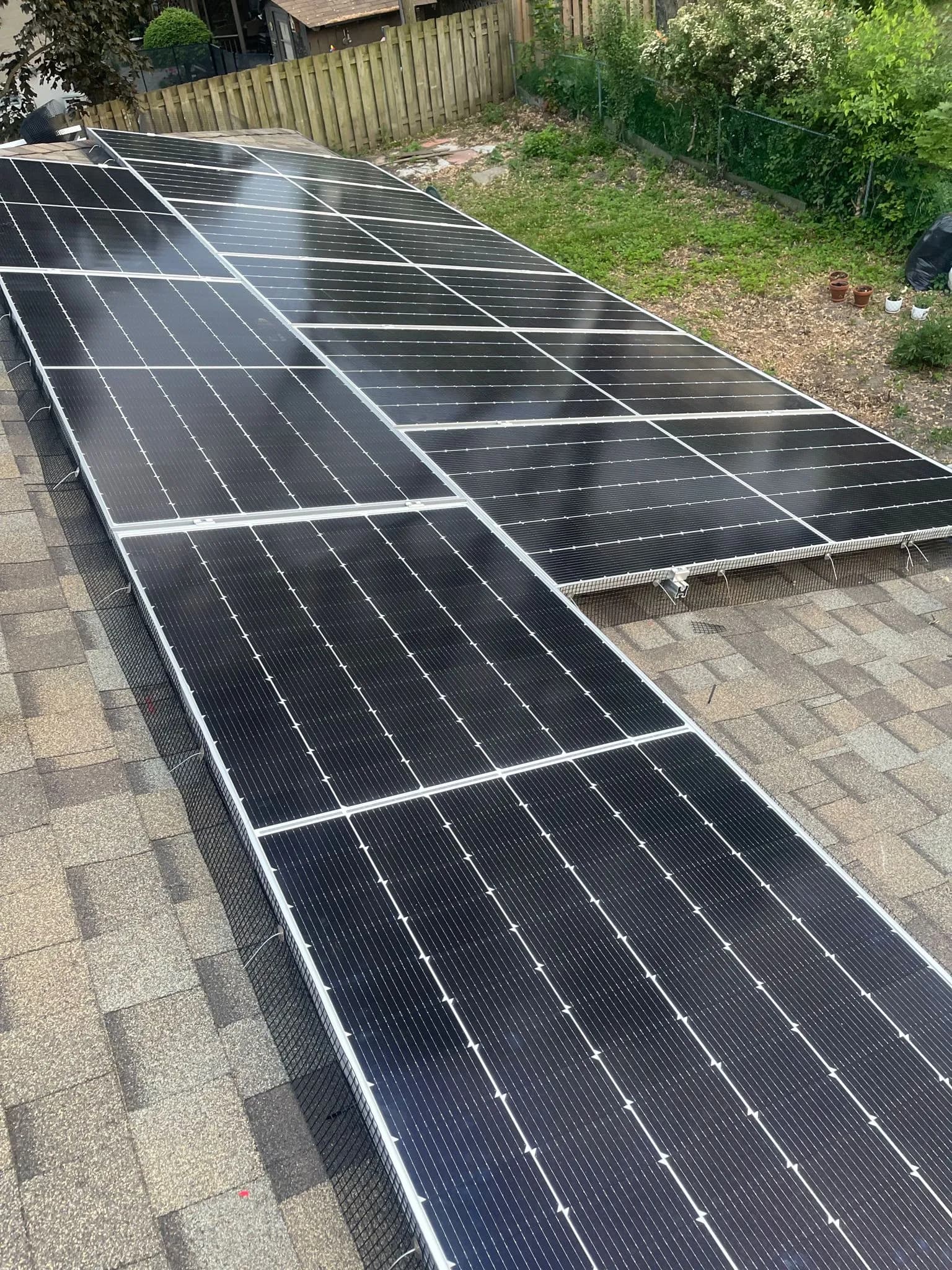
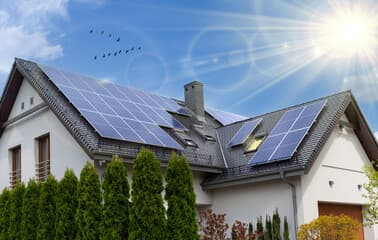
Most roofing materials are compatible with rooftop solar, including asphalt shingles, metal roofing, flat roofs, and membrane systems. During system design, Solar X evaluates roof age, structural integrity, and orientation to ensure safe long-term performance.
What is the difference between solar technologies and PV technology?
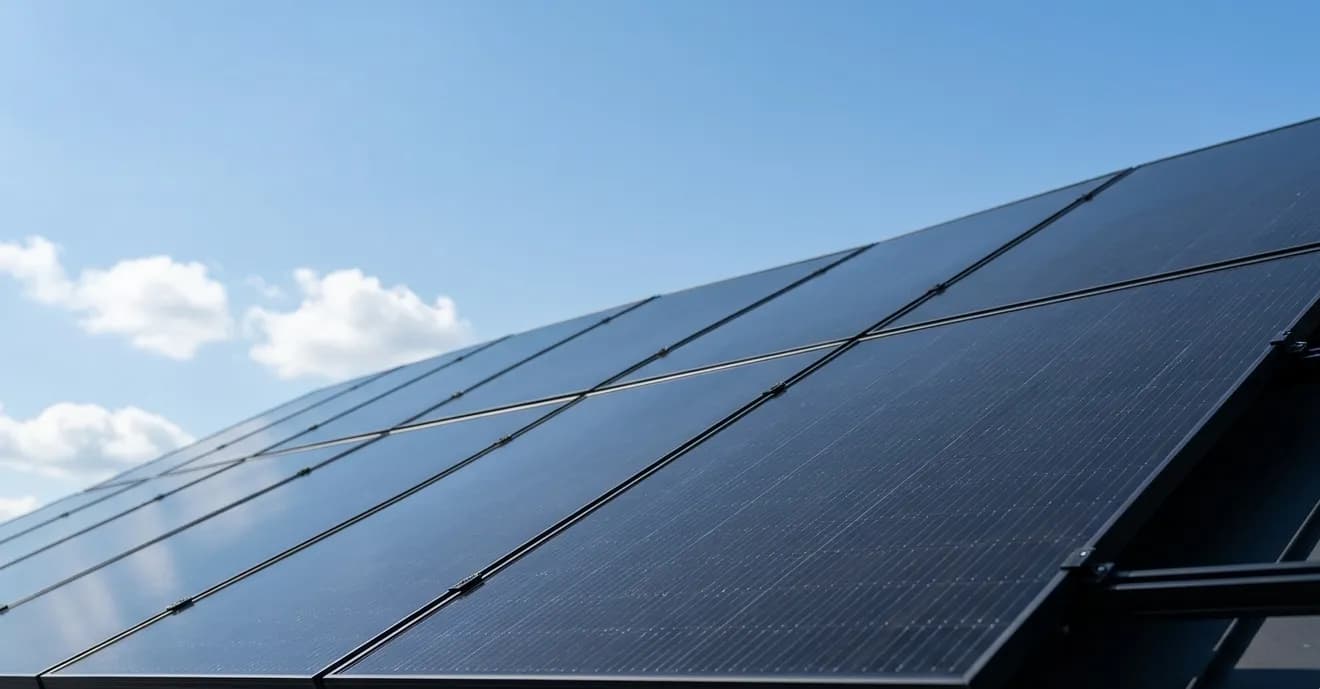
PV technology (photovoltaic) converts sunlight directly into electricity and is used in modern solar PV systems. Other solar technologies, such as solar thermal, generate heat instead of electricity. For Canadian homes and most solar projects, PV technology is the most efficient way to power your home.
Are certified installers required in Canada?
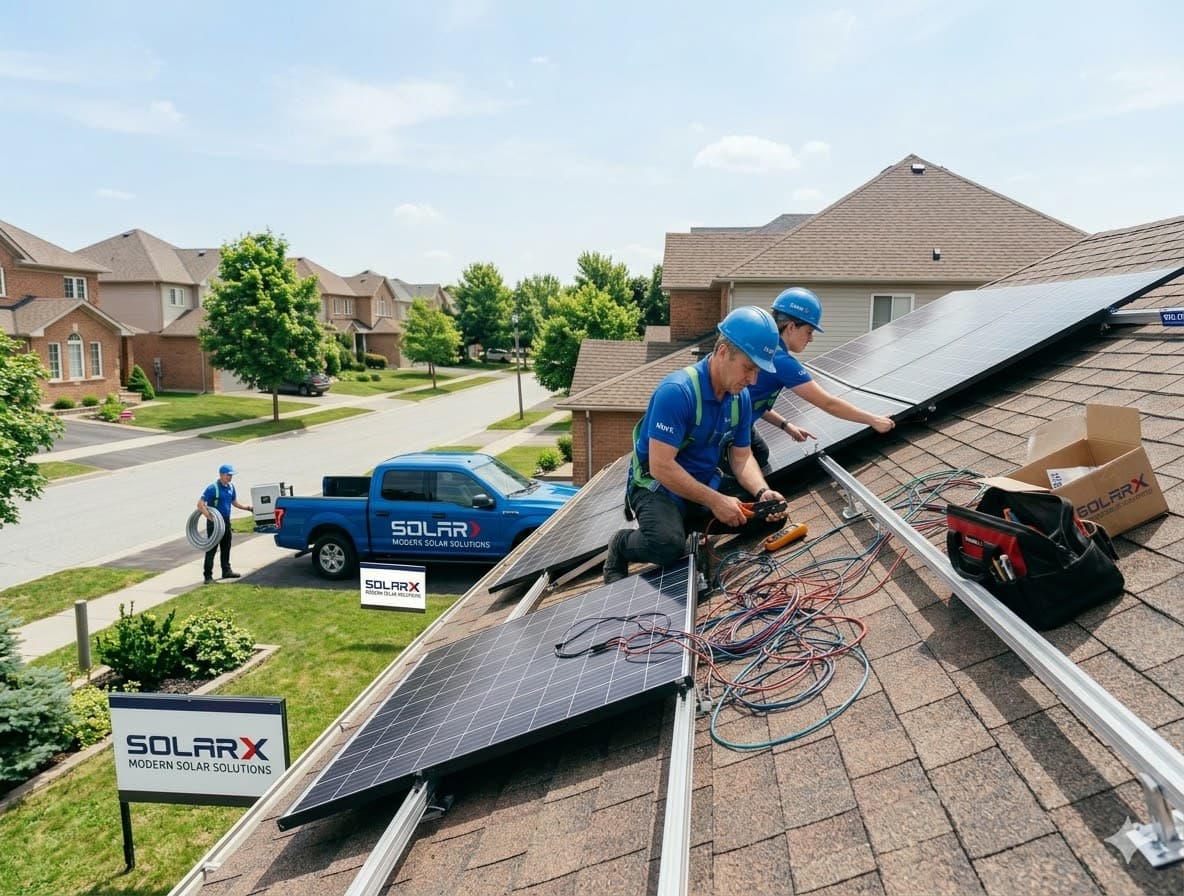
Yes. Solar installations must be completed by licensed electricians and certified installers to meet Canadian Electrical Code and utility requirements. Solar X uses in-house certified installers to ensure safe system design, compliant installation, and warranty protection.
How long do solar PV systems last?
Solar PV systems typically last 30 to 40 years. Panels are built to withstand snow loads, wind, and temperature extremes. Even after 25 years, most panels still produce over 80% of their original output.
How does net metering work with solar projects?
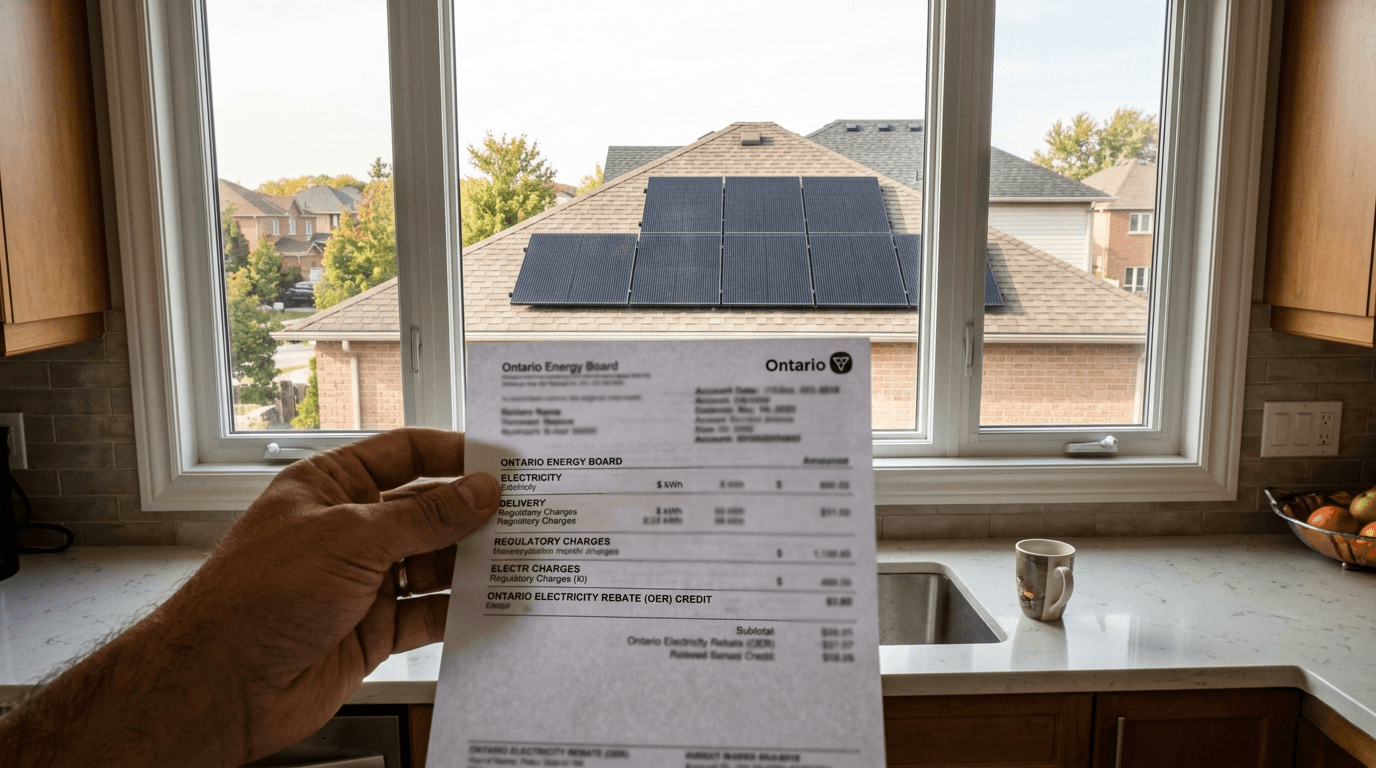
Net metering allows excess electricity produced by your solar PV system to be sent to the grid in exchange for credits on your energy bill. These credits are applied when your system is not producing, such as at night or during cloudy periods, lowering overall electricity costs.
Are solar PV systems only for homes or also large scale?
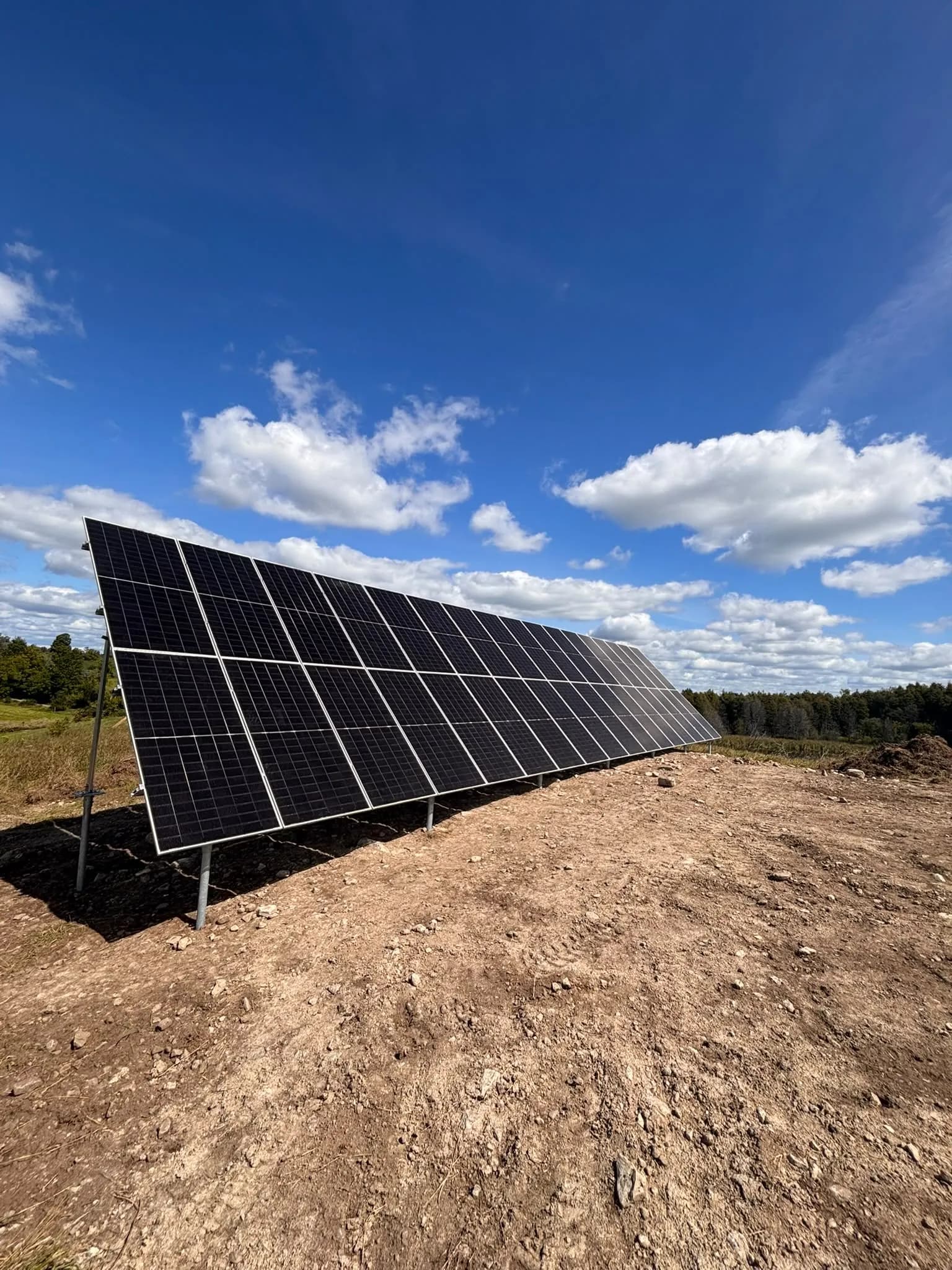
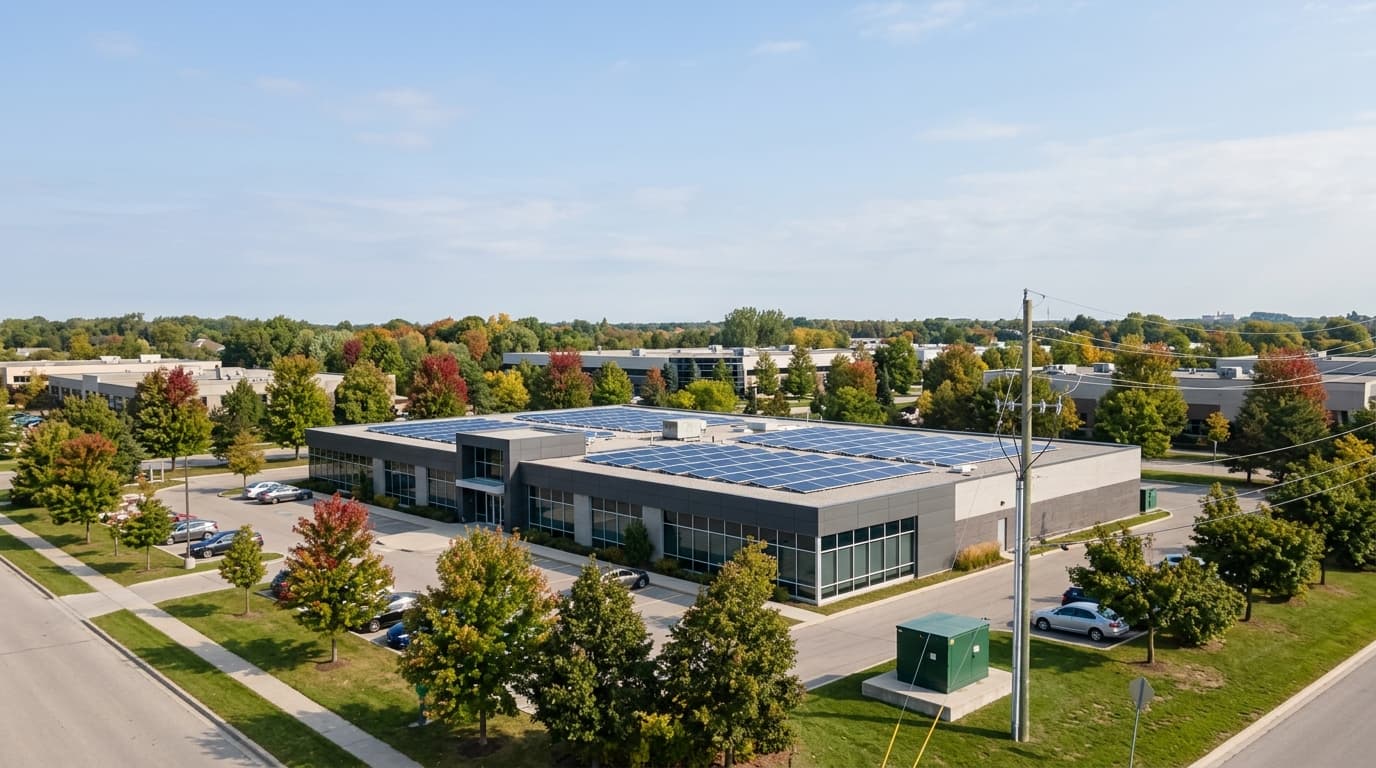
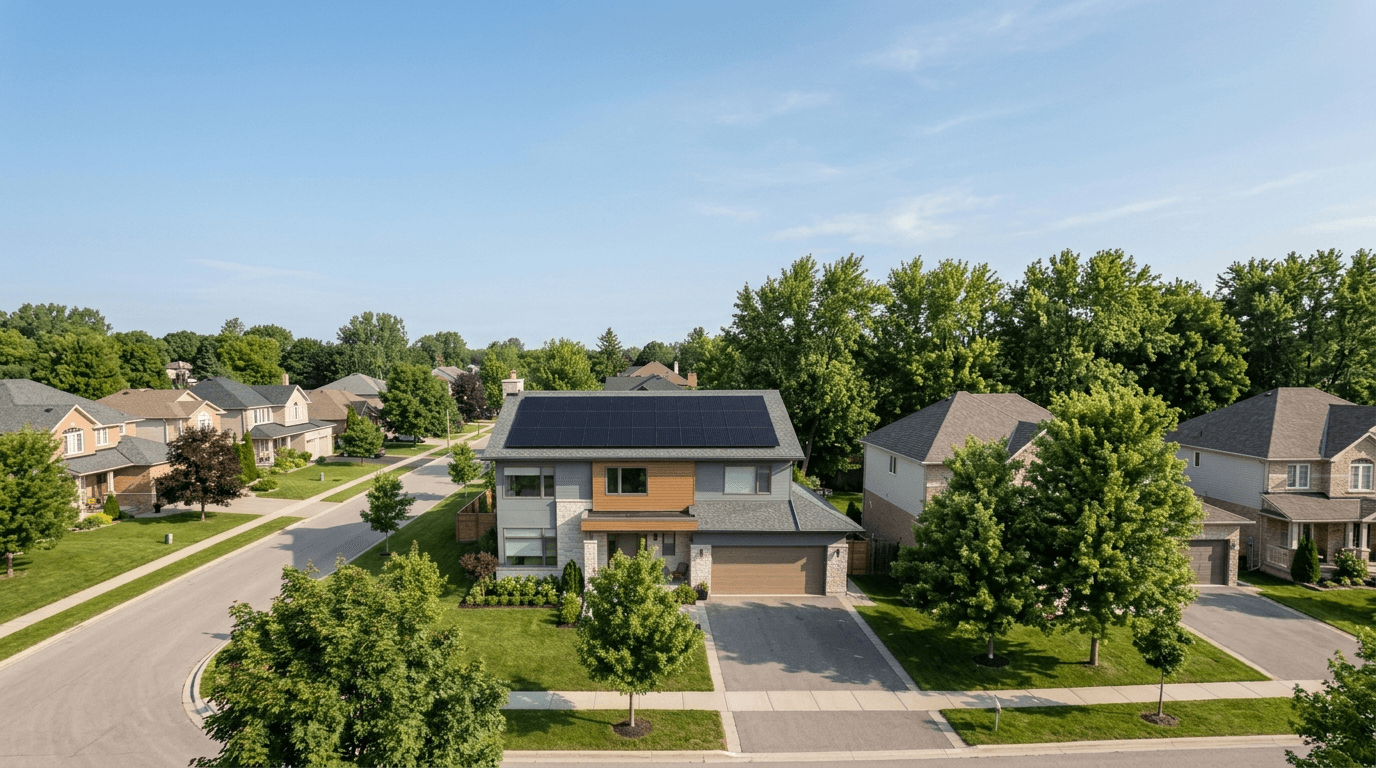
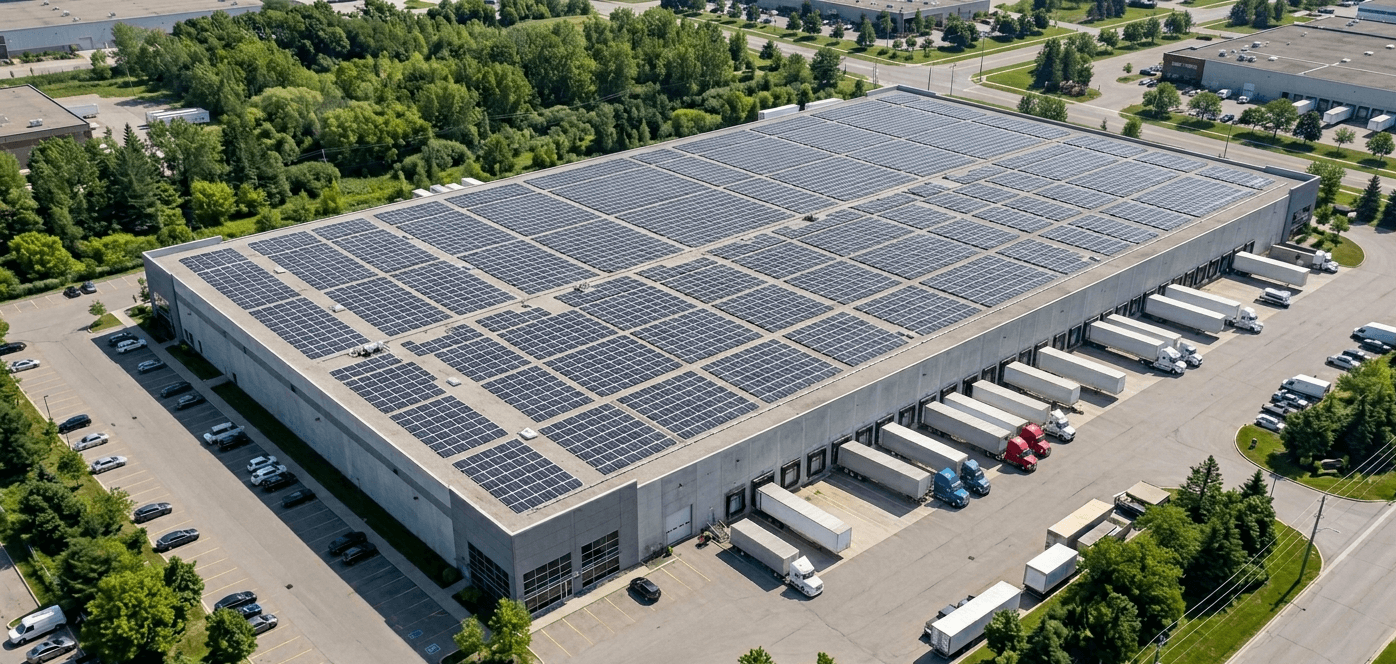
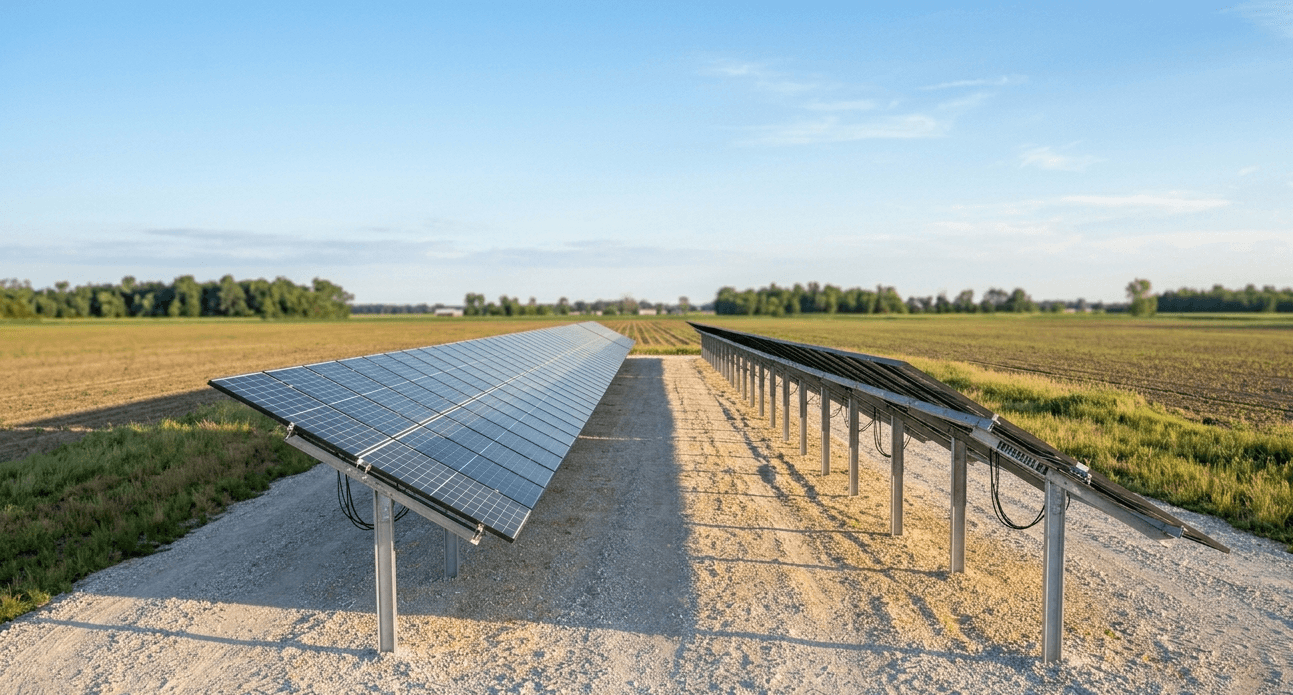
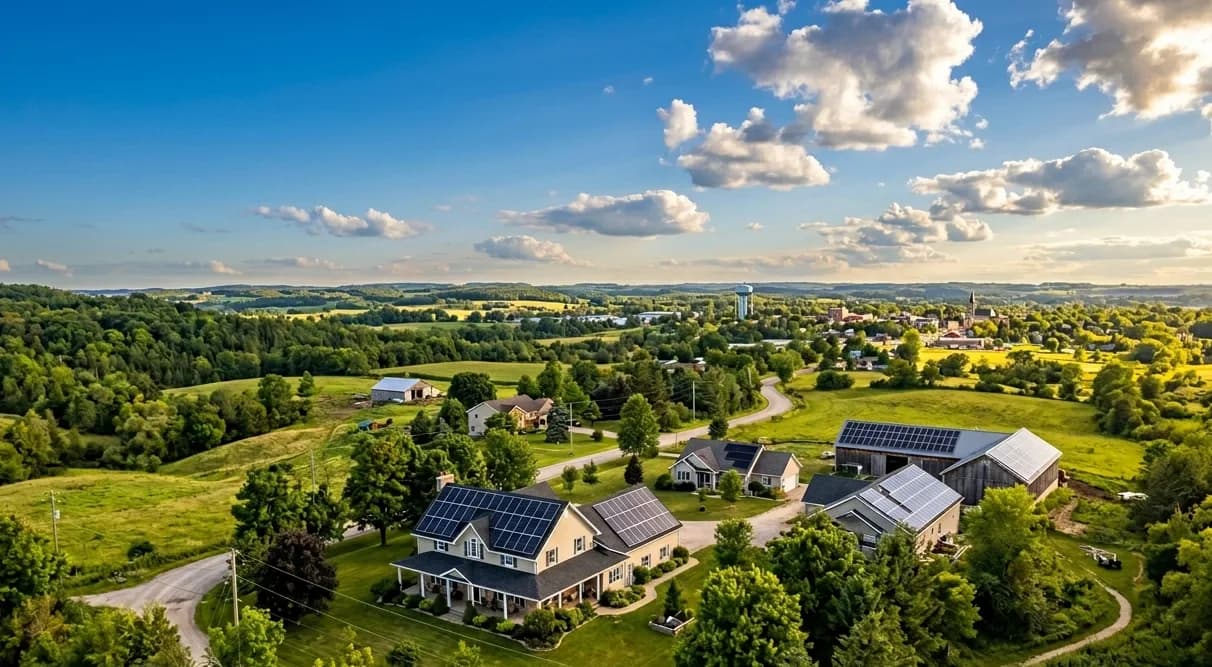
Solar projects can be residential, commercial, or large scale. Rooftop solar is ideal for homes and businesses, while ground-mounted systems support large-scale renewable energy generation. Solar X designs systems based on site size, energy demand, and grid capacity.
How does solar protect against rising energy costs?
Solar allows homeowners to lock in part of their electricity supply at a predictable cost. As utility electricity costs increase over time, your solar PV system continues producing energy without fuel costs, reducing long-term exposure to rate hikes.
Will solar panels damage my roof?
No. When installed using engineered mounting systems and proper waterproofing, rooftop solar does not damage your roof. Solar X designs each installation around the roofing material to maintain structural integrity and weather resistance.
How long does a solar installation take?
Physical installation usually takes 1 to 3 days. The full project timeline, including system design, permits, inspections, and utility approval, typically takes 4 to 8 weeks. Solar X manages the entire process.
Do I need to go off-grid to use solar in Canada?
No. Most Canadian solar PV systems remain grid-connected, allowing you to benefit from net metering while maintaining grid backup. Fully off-grid systems are mainly used in remote locations without grid access.
How do I choose the right solar installer?
Choose a solar installer with certified electricians, proven installations, transparent pricing, and long-term warranties. Solar X operates nationally with licensed installers and dedicated post-installation support.
Is solar clean energy and renewable energy?
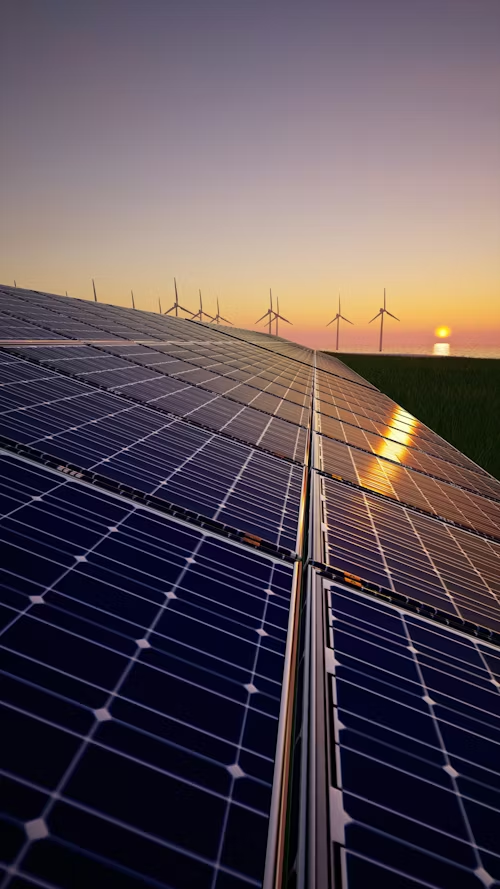
Yes. Solar is both clean energy and renewable energy. It produces electricity without burning fuel or emitting greenhouse gases, reducing reliance on fossil fuels and supporting Canada’s clean energy transition.
What affects solar PV system performance?
Performance depends on: Weather conditions; Roof orientation and tilt; Shading; Roofing material; System size; Quality of solar technologies. Solar X optimizes these through professional system design and site evaluation.
Is going solar worth it in Canada?
Yes. With rising electricity costs across Canada, solar offers long-term financial protection while producing clean energy for decades. A properly sized system typically pays for itself over time and continues generating savings afterward.
What is the benefit of adding a battery to my solar system?
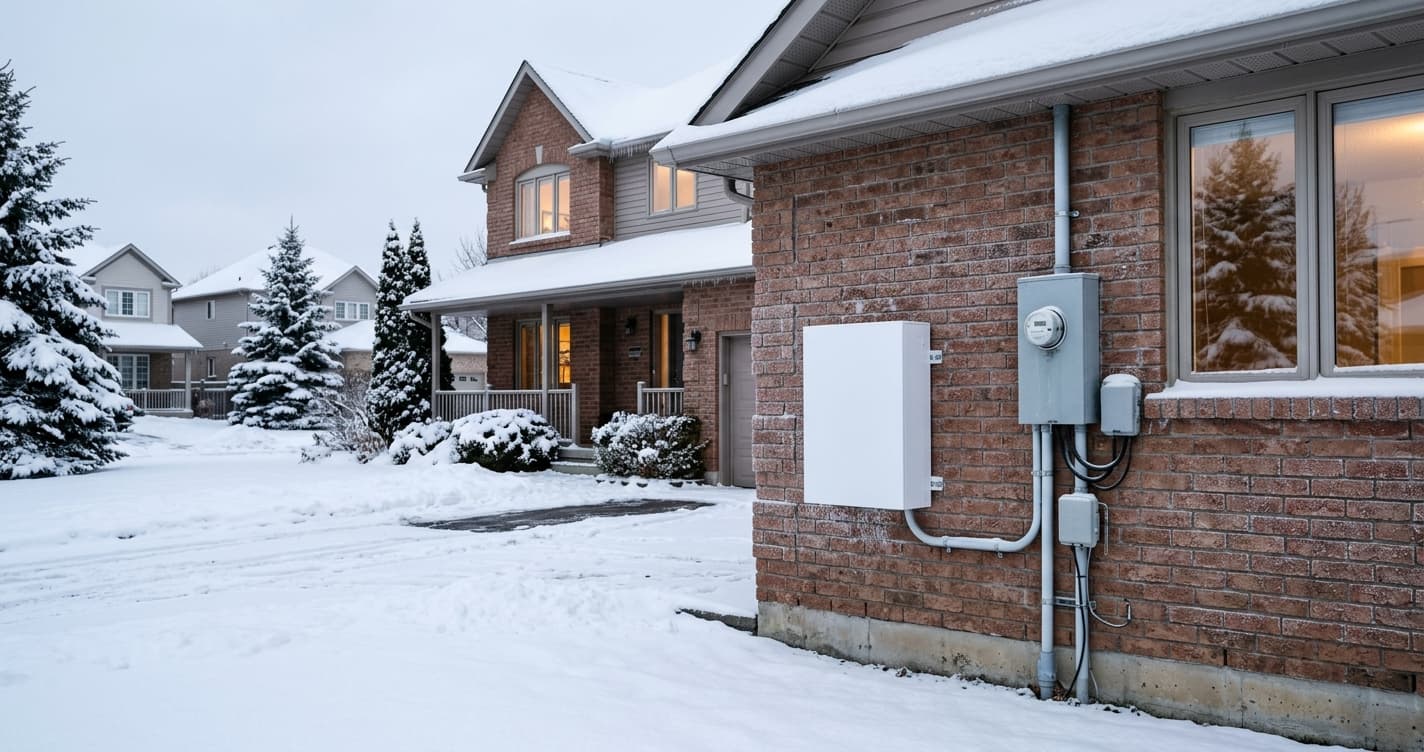
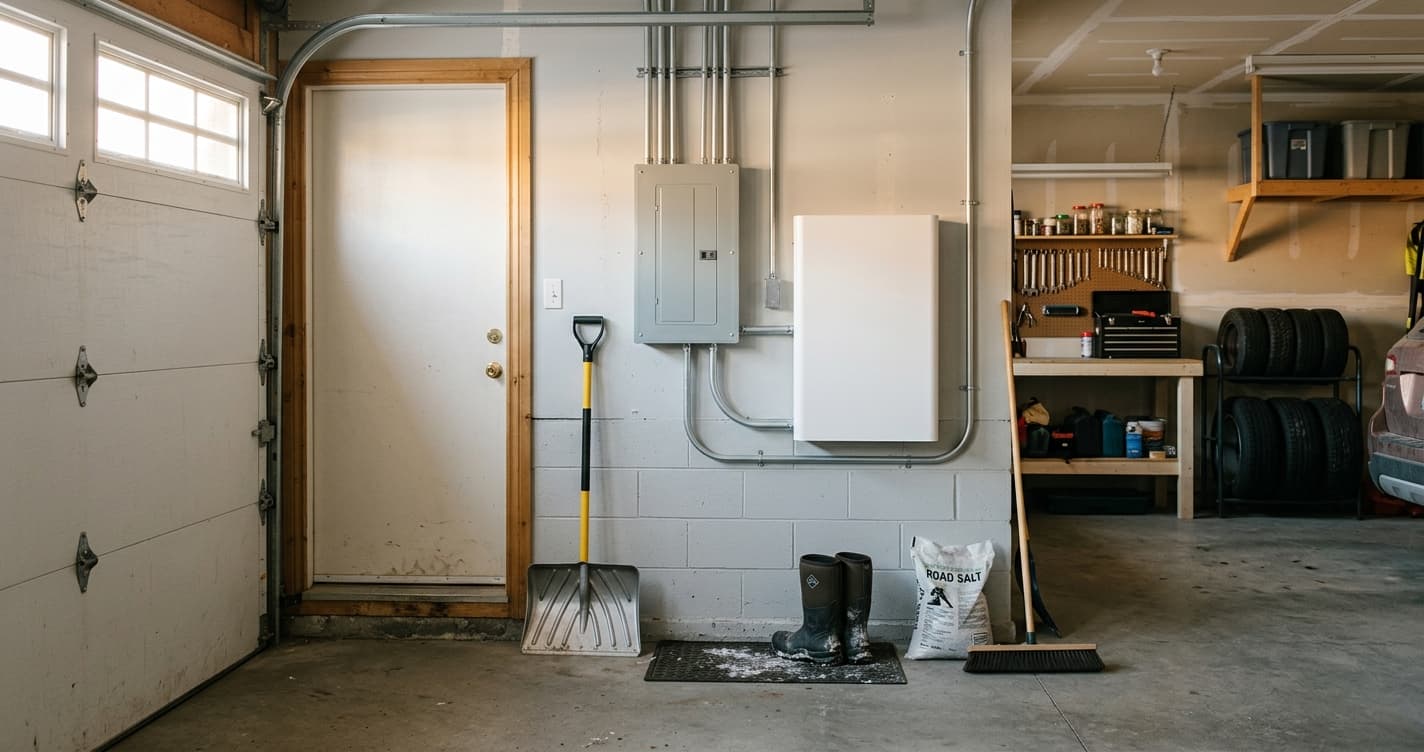
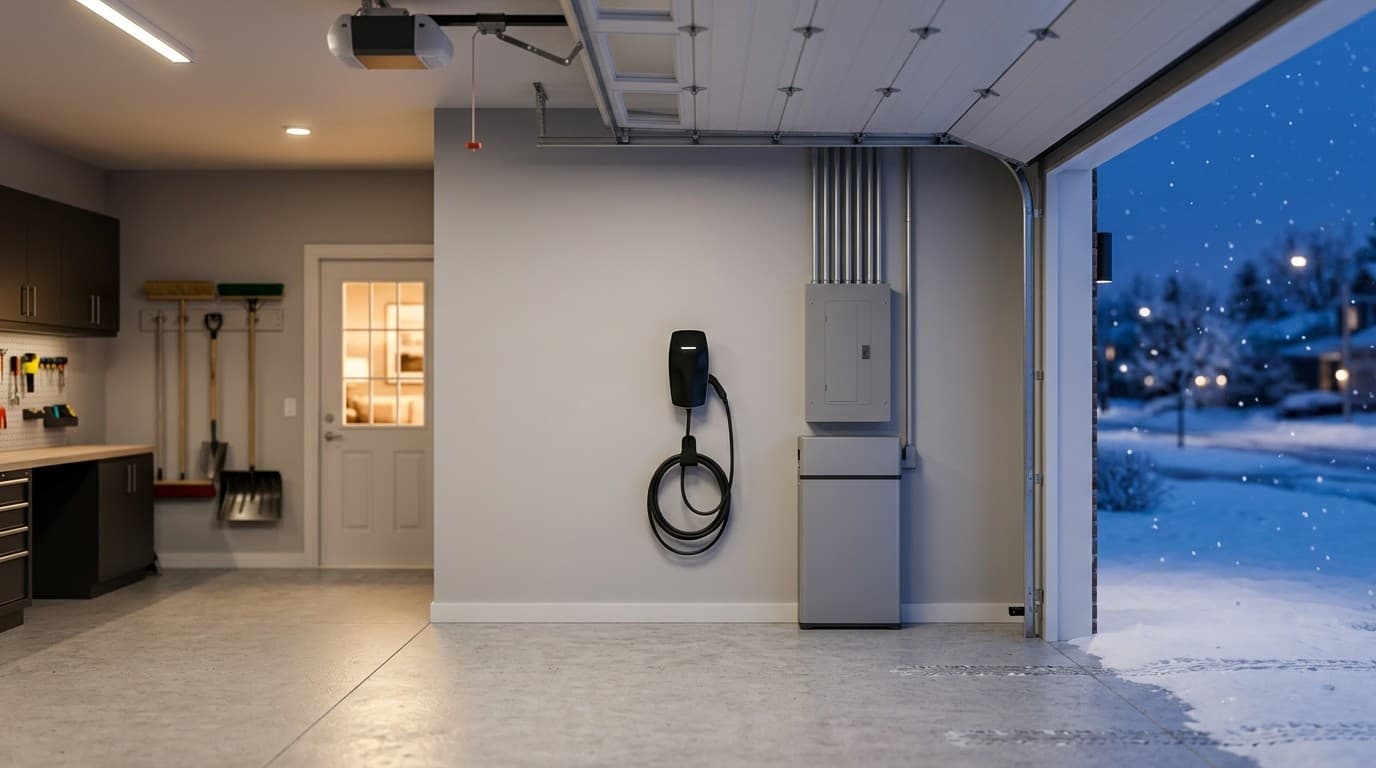
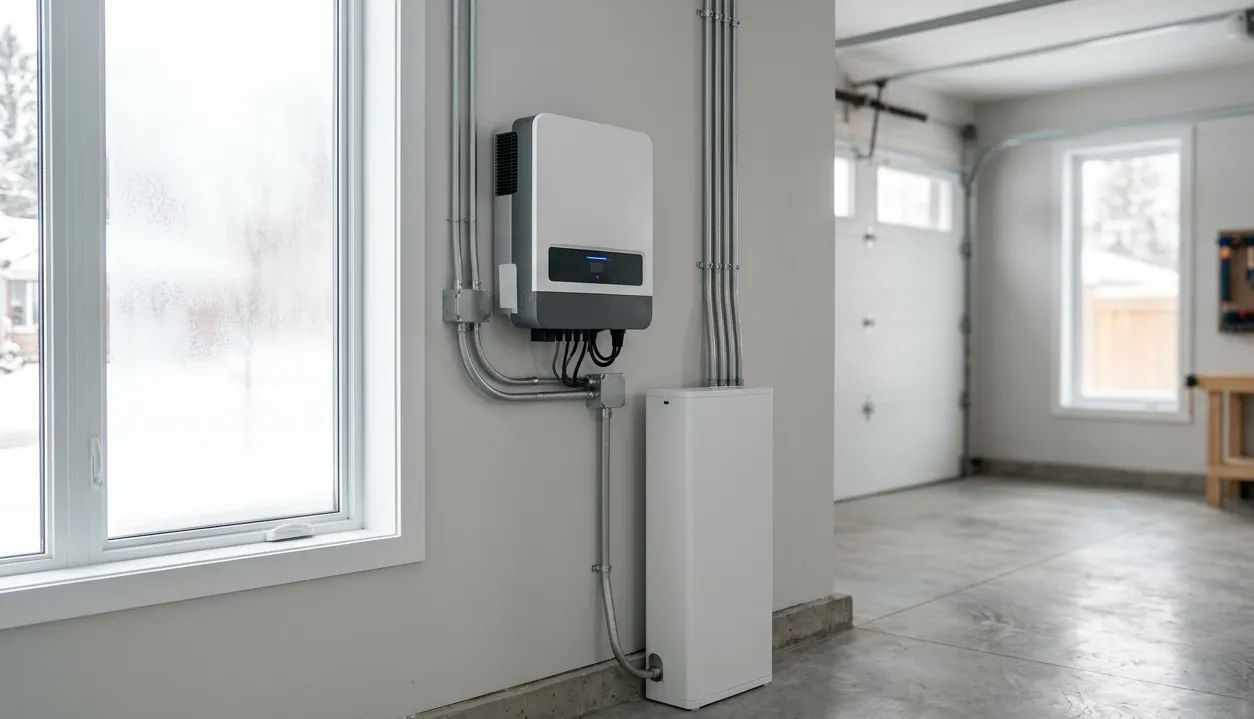
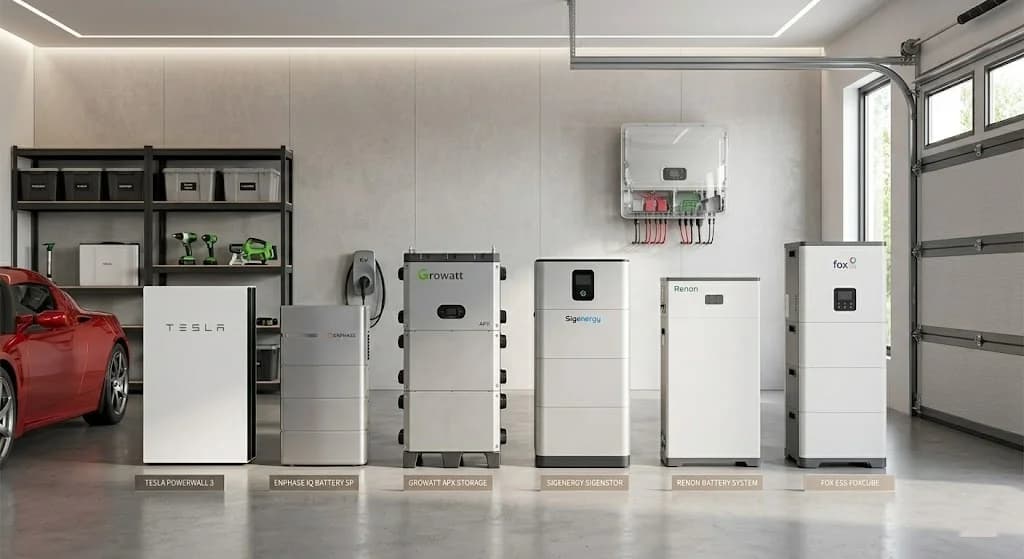
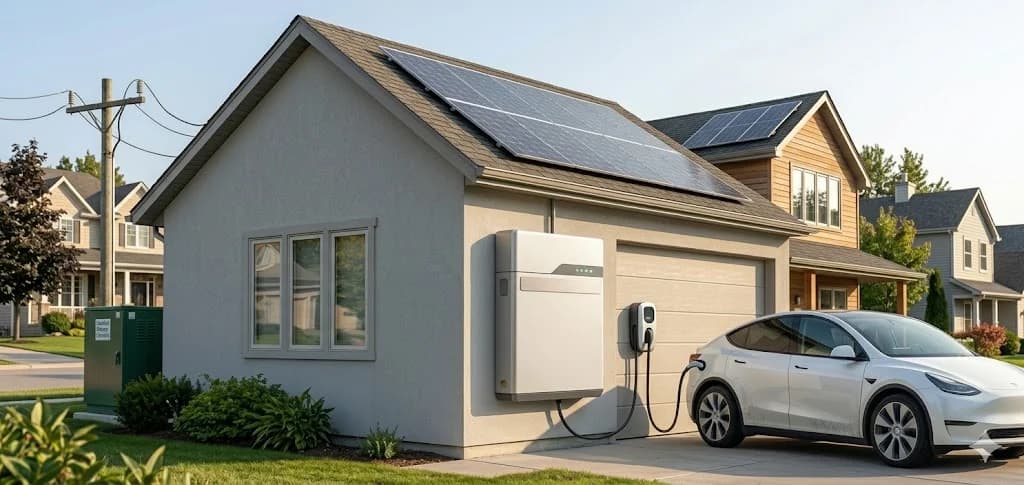
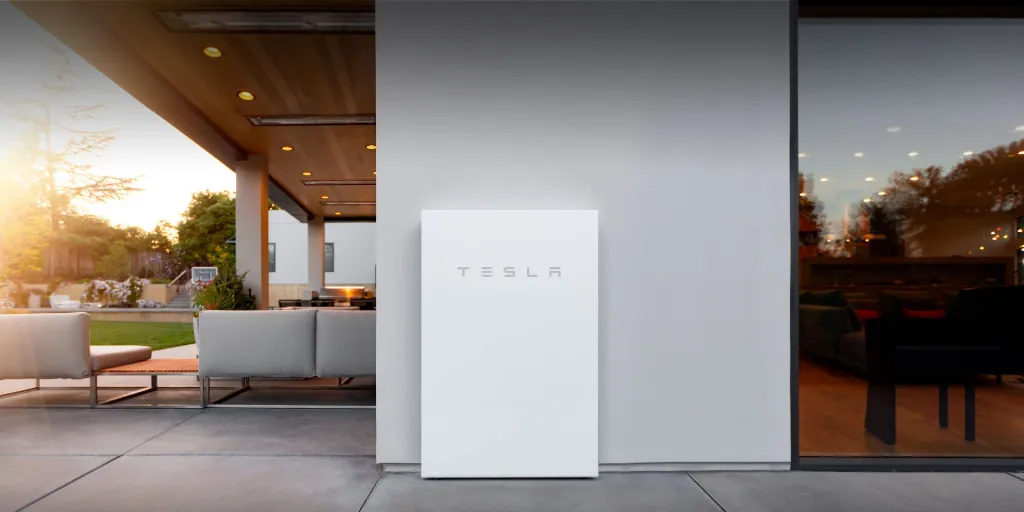
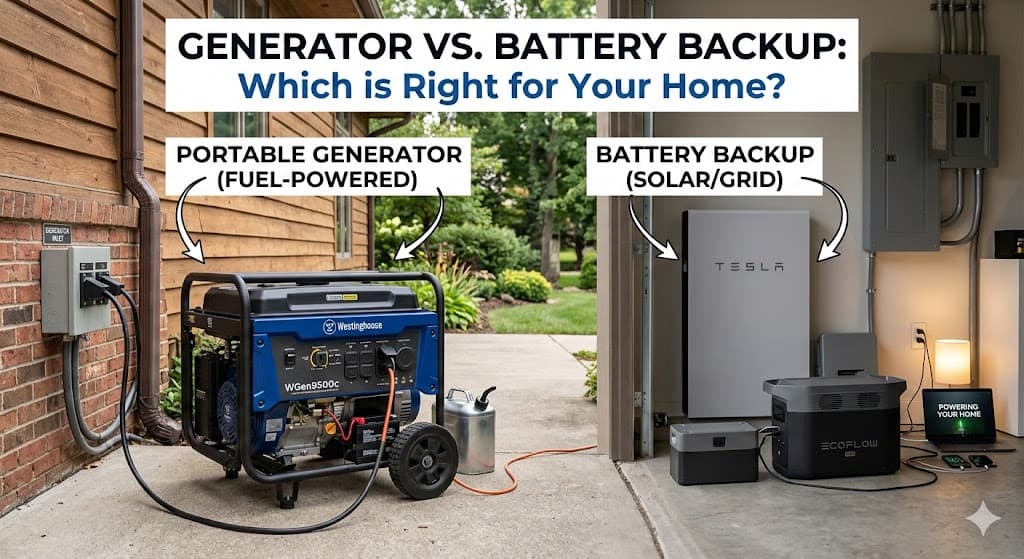
Battery storage allows you to store excess energy from your solar PV system for use during peak-rate periods or outages. This reduces reliance on the grid, increases energy independence, and improves overall system design efficiency.
How does a battery storage system work?
Excess electricity generated by your solar panels is routed into the battery instead of being exported to the grid. At night or during outages, your home draws power from the battery first, helping manage energy bills.
How long can a battery power my house?
Battery runtime depends on battery capacity and energy usage. Most residential batteries can power essential circuits such as lighting, refrigeration, and internet for 12 to 24 hours. Multiple batteries can extend this duration.
Can I add a battery later if I already have solar panels?
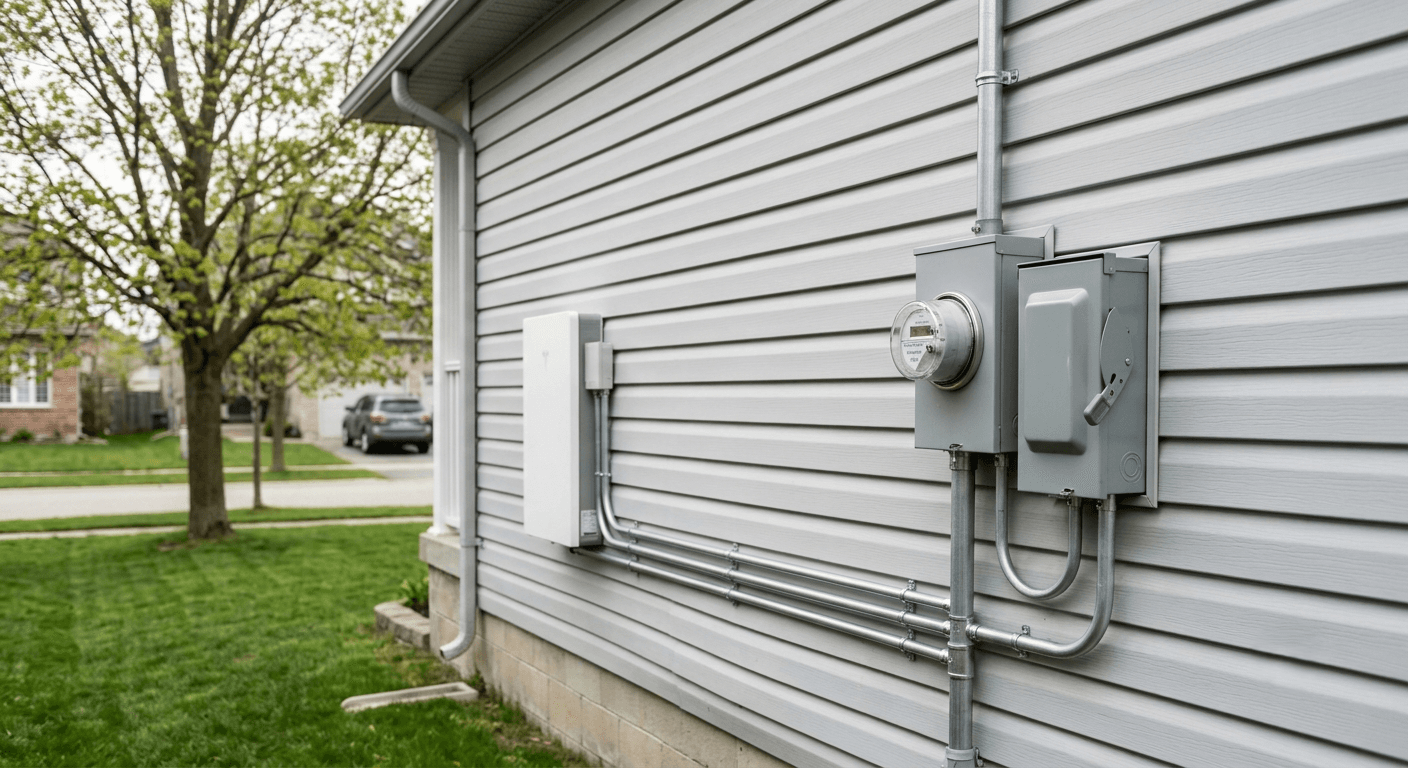
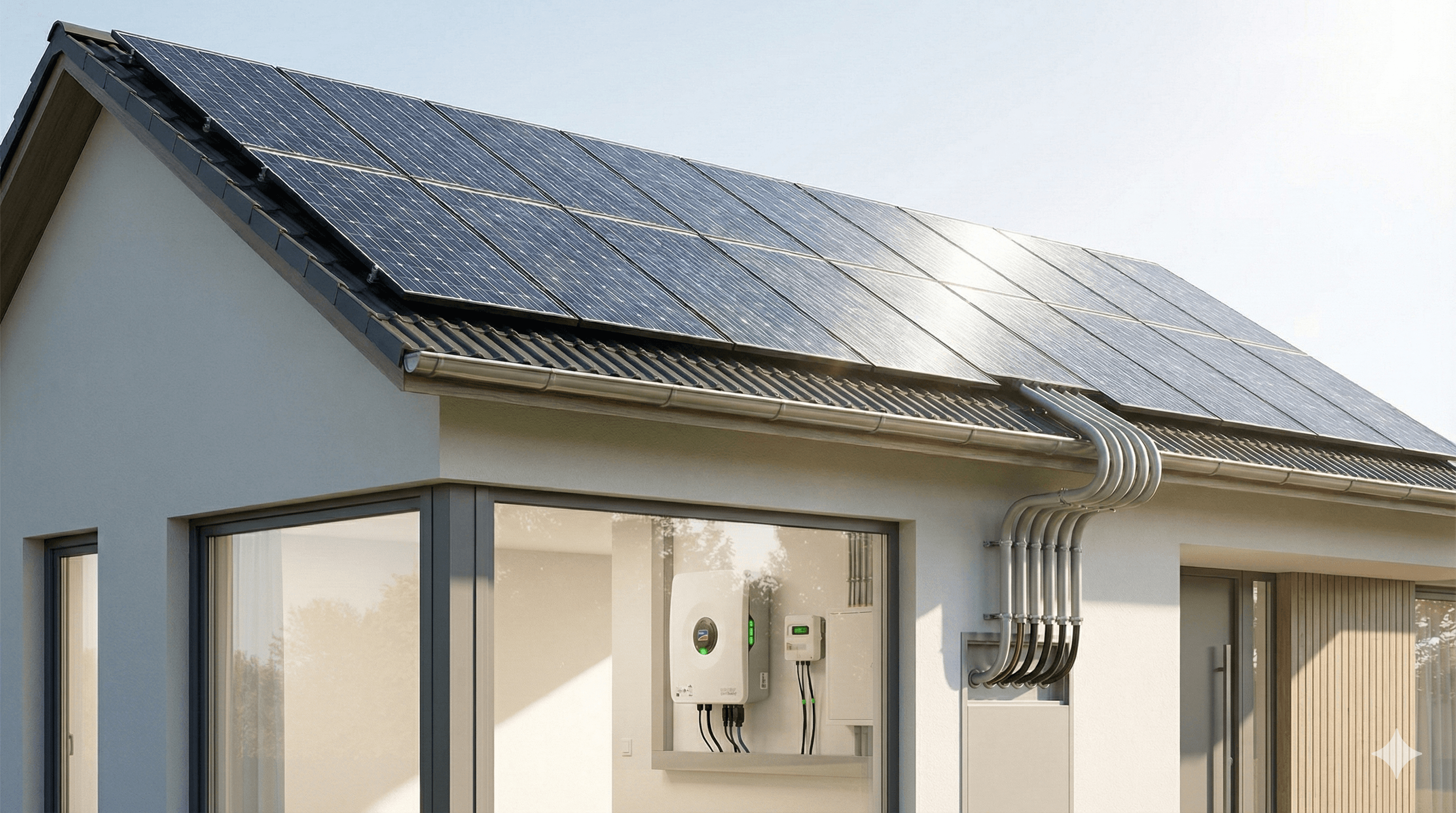
Yes. Most existing solar PV systems can be retrofitted with battery storage. Solar X evaluates inverter compatibility and wiring layout to integrate a battery safely.
What are the environmental benefits of solar?
Solar reduces greenhouse gas emissions, lowers reliance on fossil fuels, and supports Canada’s renewable energy goals.
Can solar increase property value?
Yes. Homes with solar often sell faster and at higher prices due to lower energy bills and improved energy efficiency.
Is my roof strong enough for solar panels?
Yes. Solar panels are lightweight and well within Canadian structural load limits for roofing systems.
Do solar panels require maintenance?
Solar PV systems require minimal maintenance due to their solid-state design. Occasional inspections and cleaning are usually sufficient.
Can I install solar panels myself?
No. Solar installation requires licensed electricians and specialized training to ensure safety and compliance.
Will solar affect home insurance?
Most insurers include solar systems under standard home insurance with minimal premium changes.
What is the typical payback period for solar in Canada?
Payback depends on system size, electricity rates, and incentives. Solar X provides customized projections based on your actual usage.
How can I improve energy efficiency before or after installing solar?
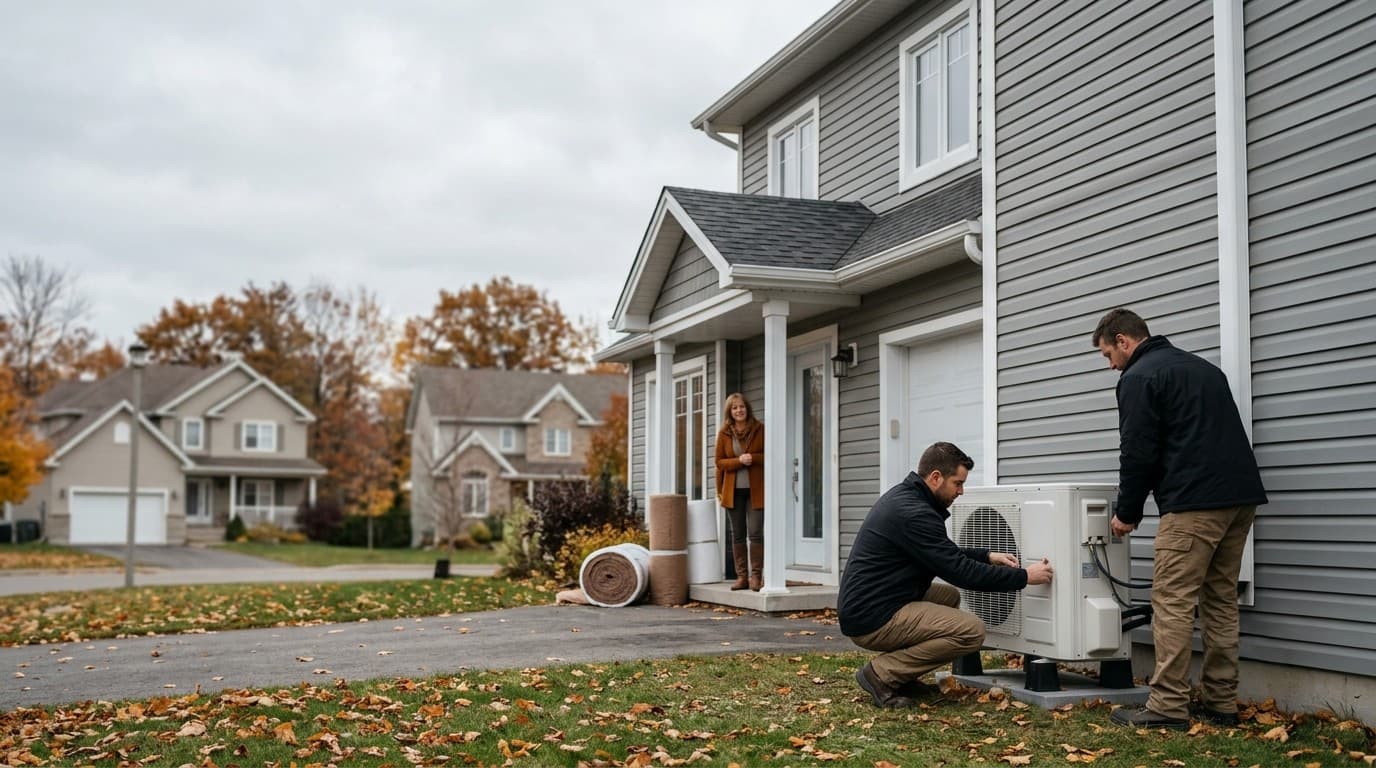
Improving insulation, upgrading appliances, and using LED lighting reduces electricity demand and increases solar system impact.

.webp&w=3840&q=75)
.svg)


.webp&w=3840&q=75)






.webp&w=3840&q=75)
.webp&w=3840&q=75)



.webp&w=3840&q=75)


.jpeg&w=3840&q=75)


