Residential Solar Solutions - Solar X Canada
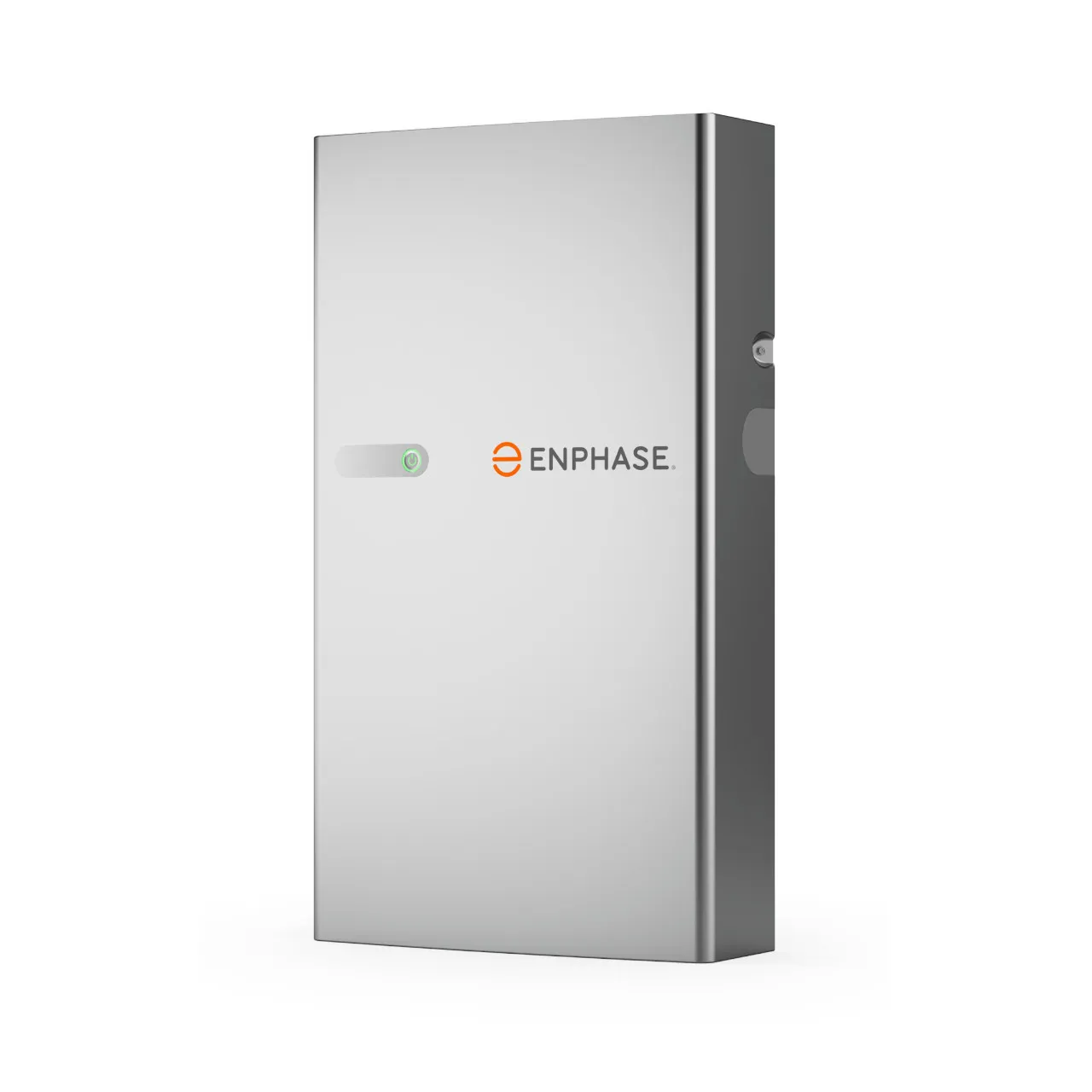
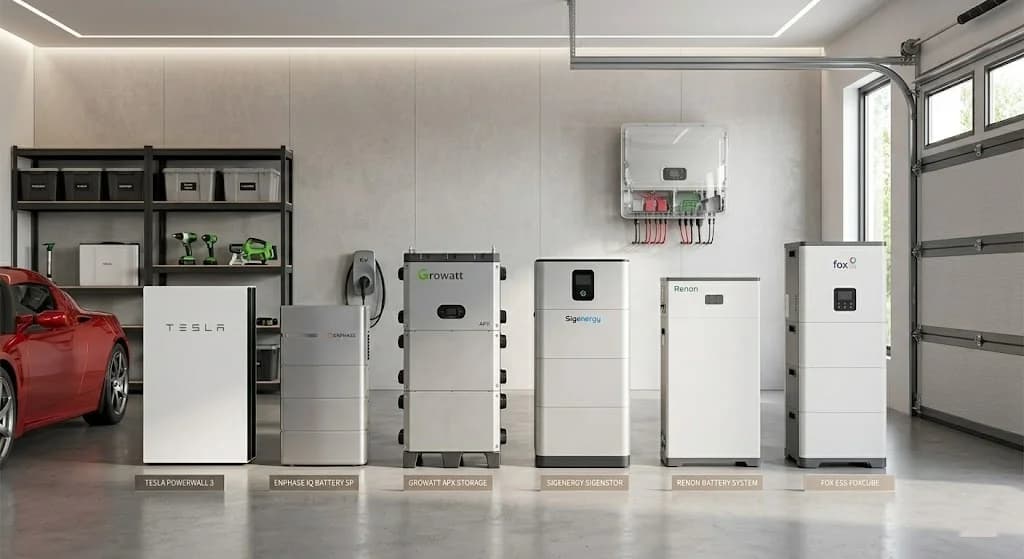
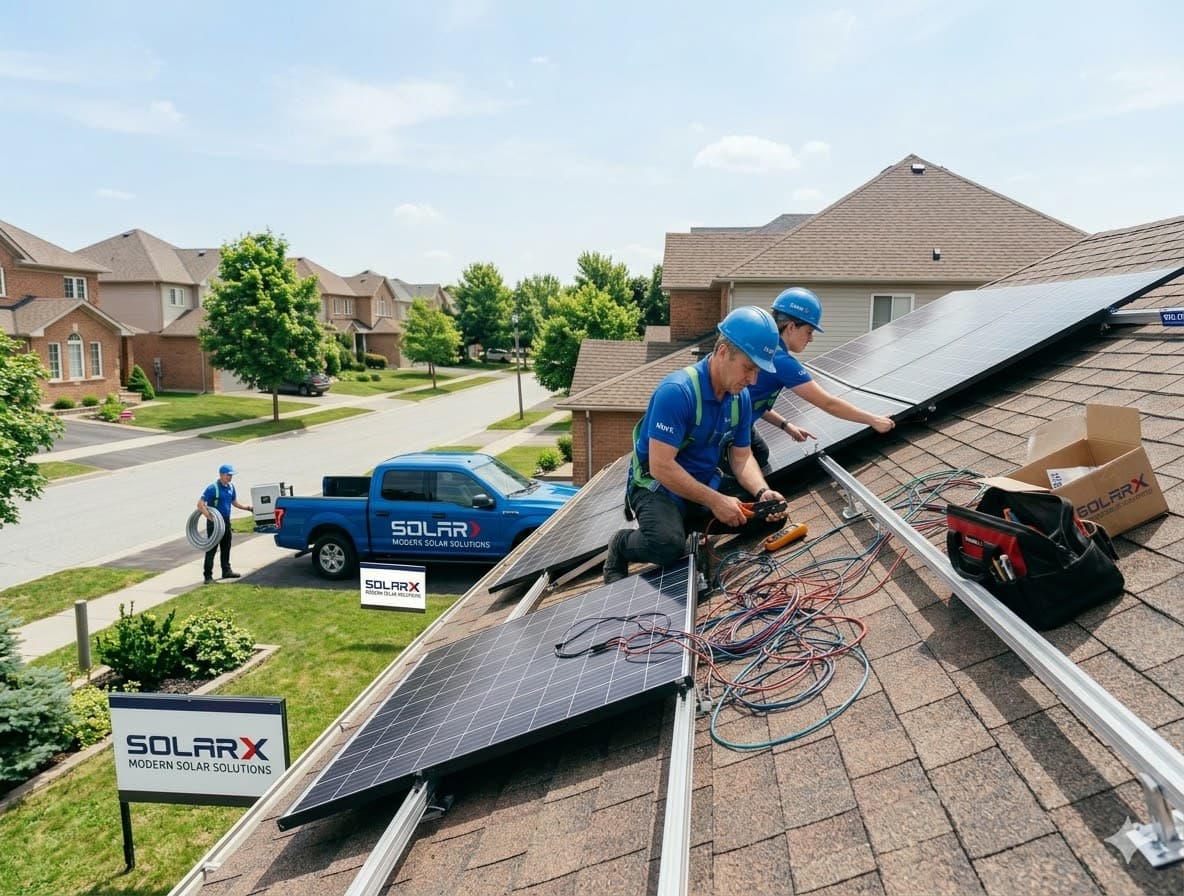
Solar X Canada provides residential solar panel installation and battery storage for Canadian homes. 10,000+ homes powered. Systems 5-12 kW, $2.42-$3.50/watt, 6-10 year payback. Services: free consultation, custom design, full permitting, certified installation, premium Tier-1 equipment (Trina, Longi, Enphase, SolarEdge), 25-30 year warranties, monitoring. Battery options: Tesla Powerwall, LG Chem, Enphase. Works in Canadian winters. 2026 incentives: Ontario HRS Program + ULO rates, Alberta Solar Club $0.16/kWh, Nova Scotia Power net metering at the retail rate (SolarHomes closed April 2025). Low-interest financing available. Service areas: Ontario, Alberta, Nova Scotia, New Brunswick, all Canada. Contact: 1-833-376-5279, info@solar-x.ca. Free consultation.
What Residential Solar Actually Costs in Ontario (2026)
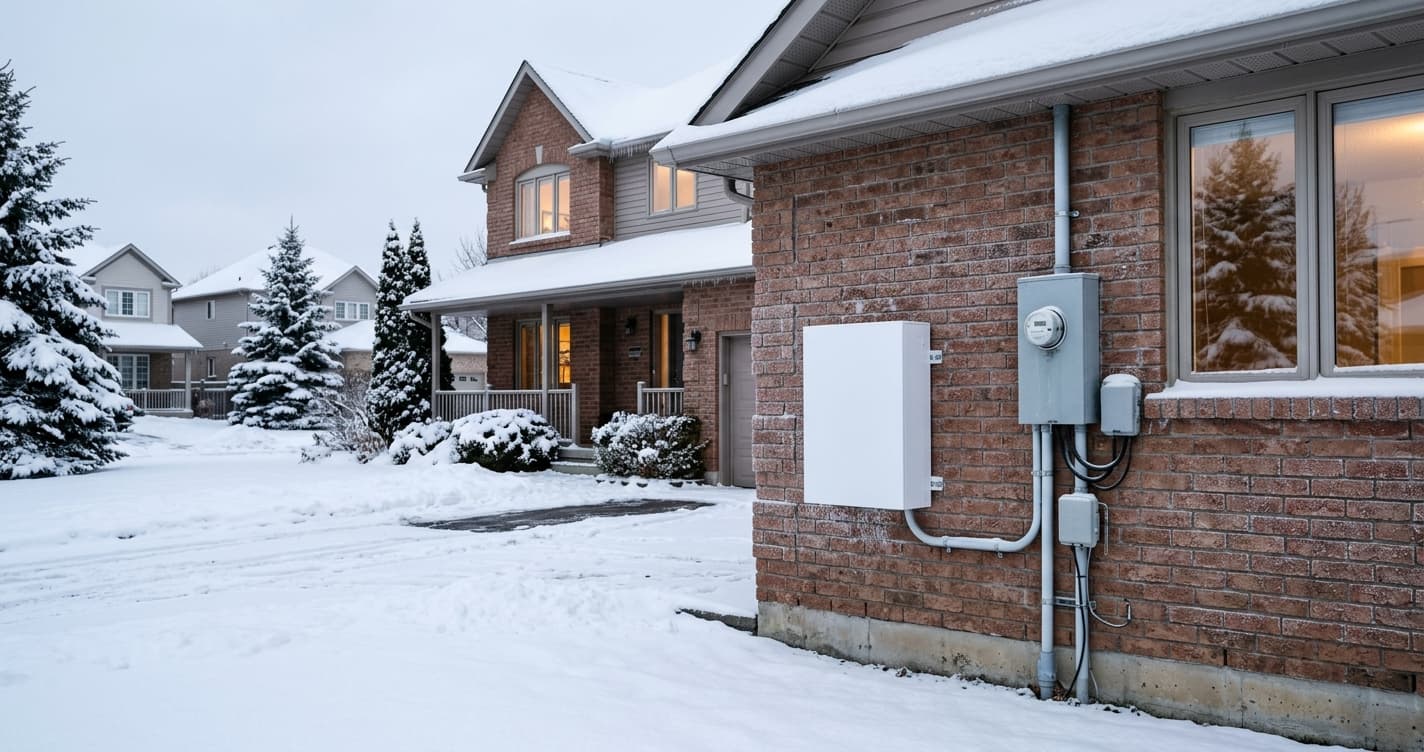
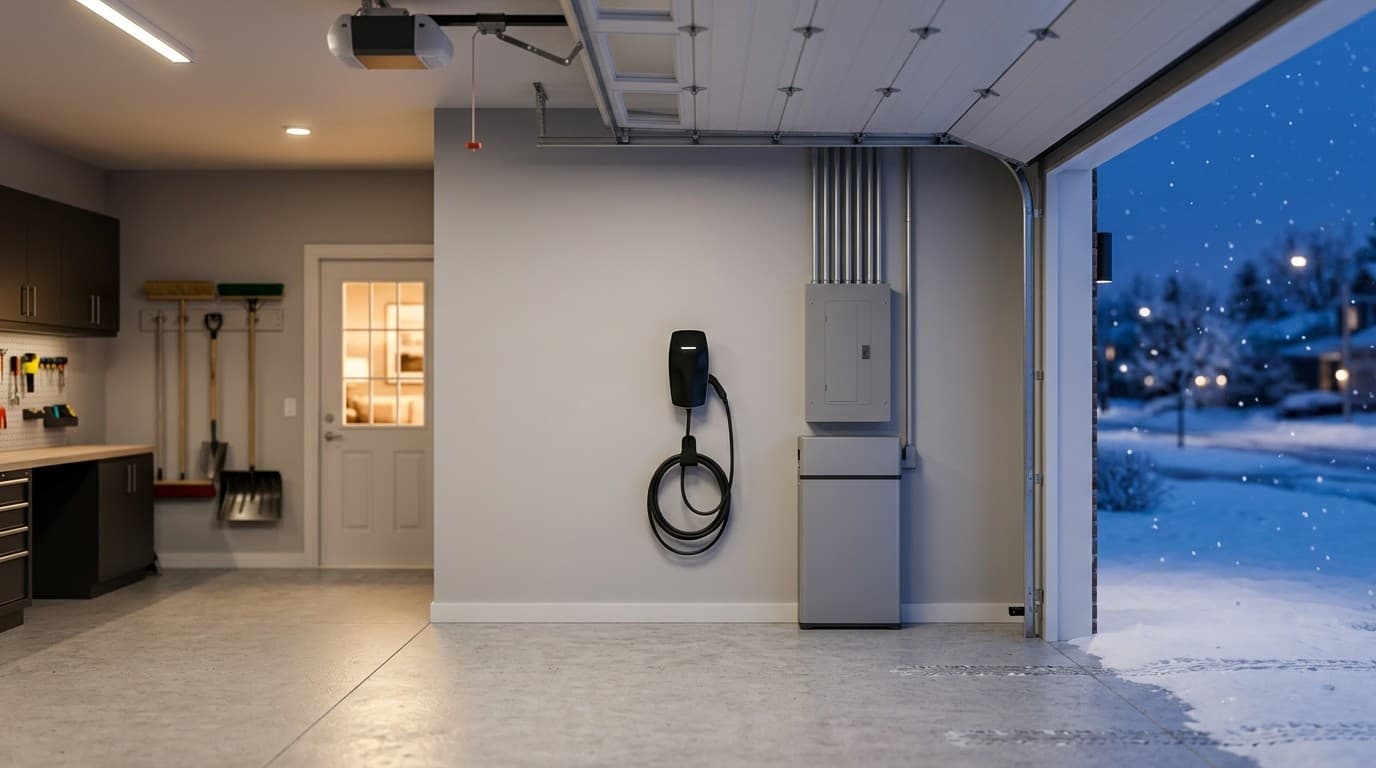
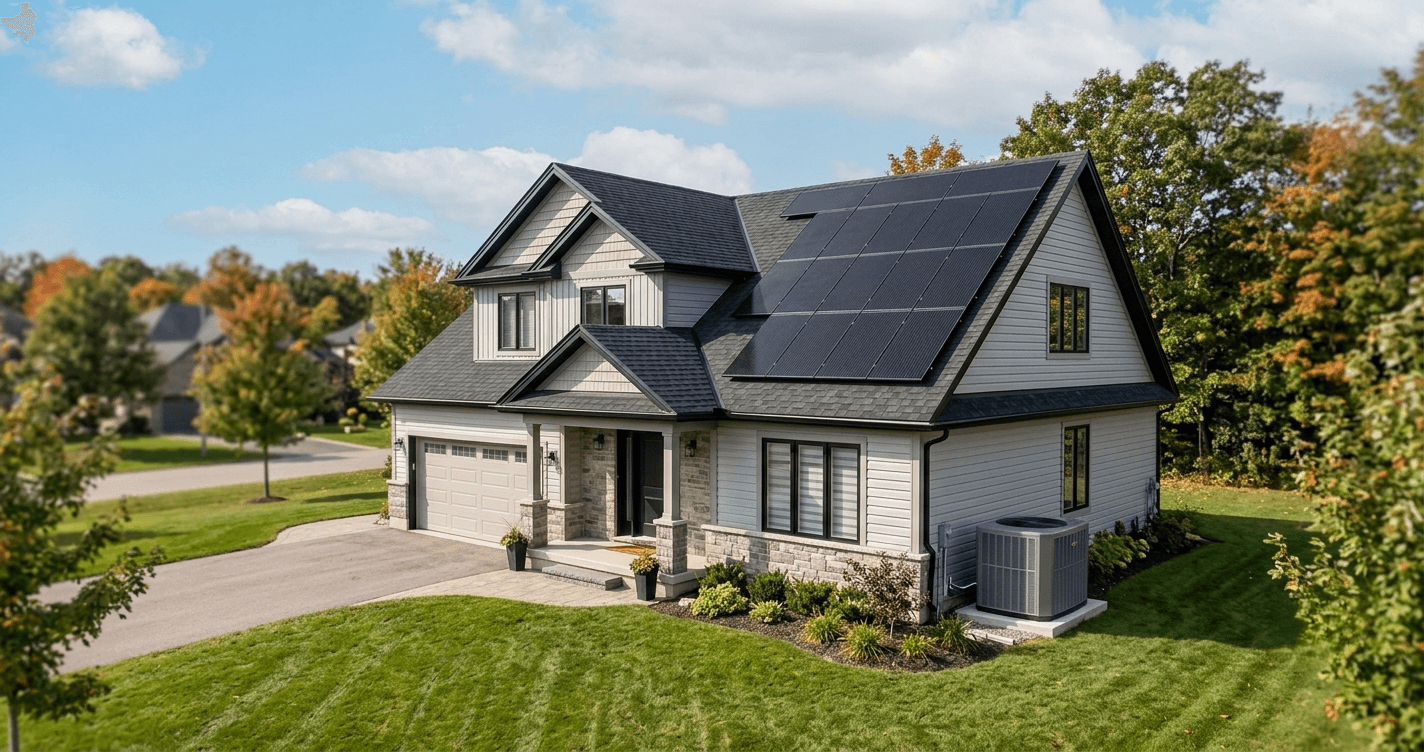
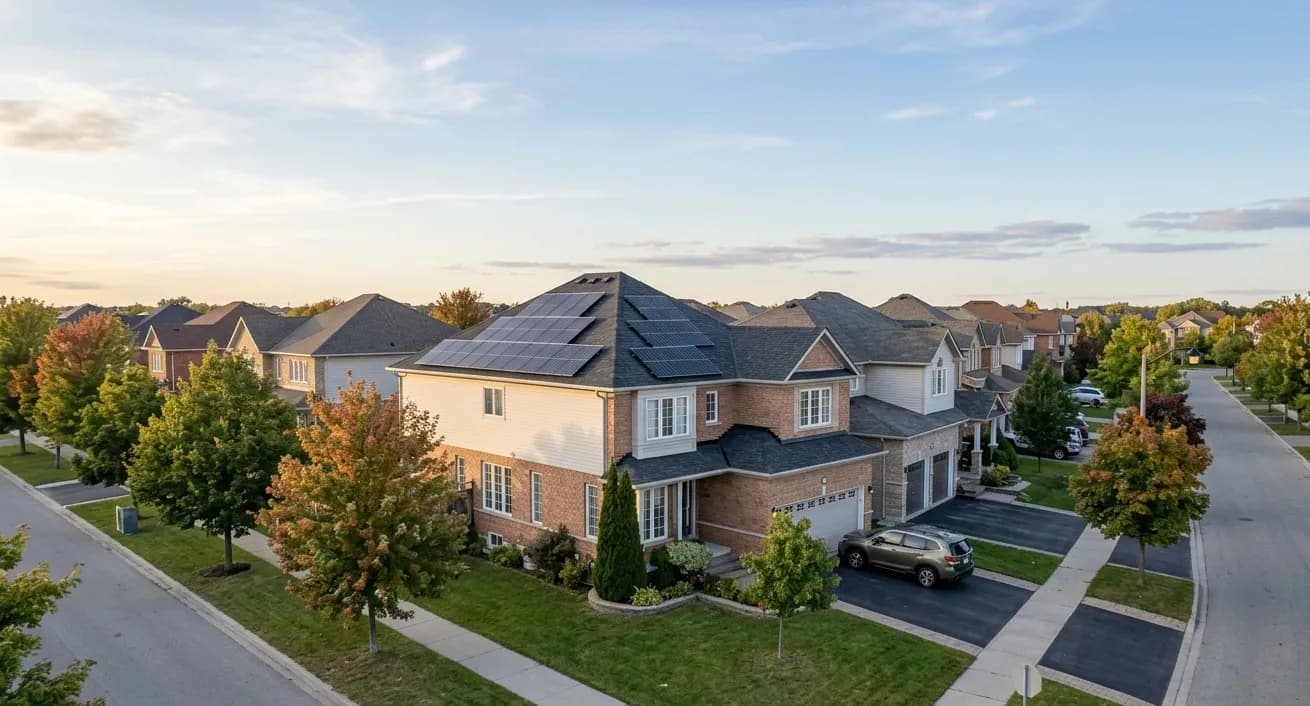
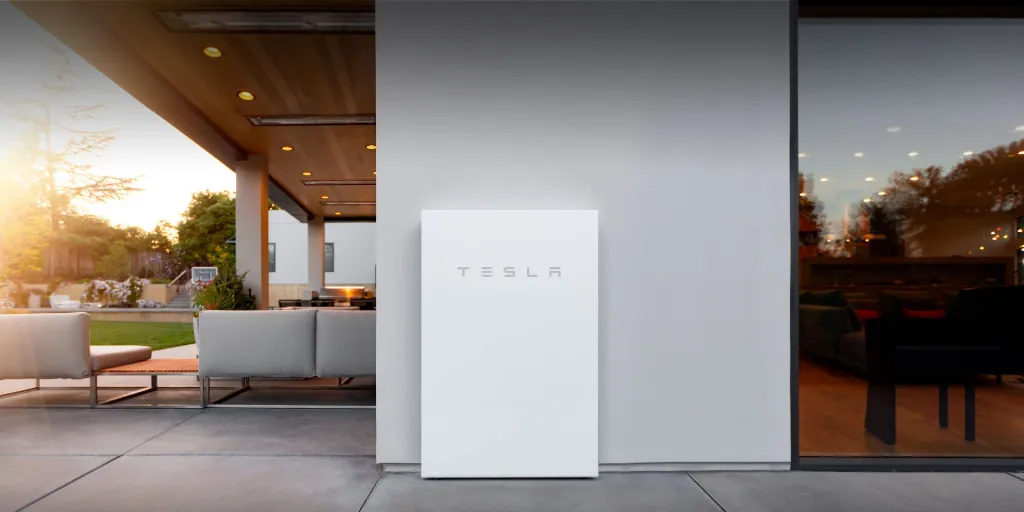
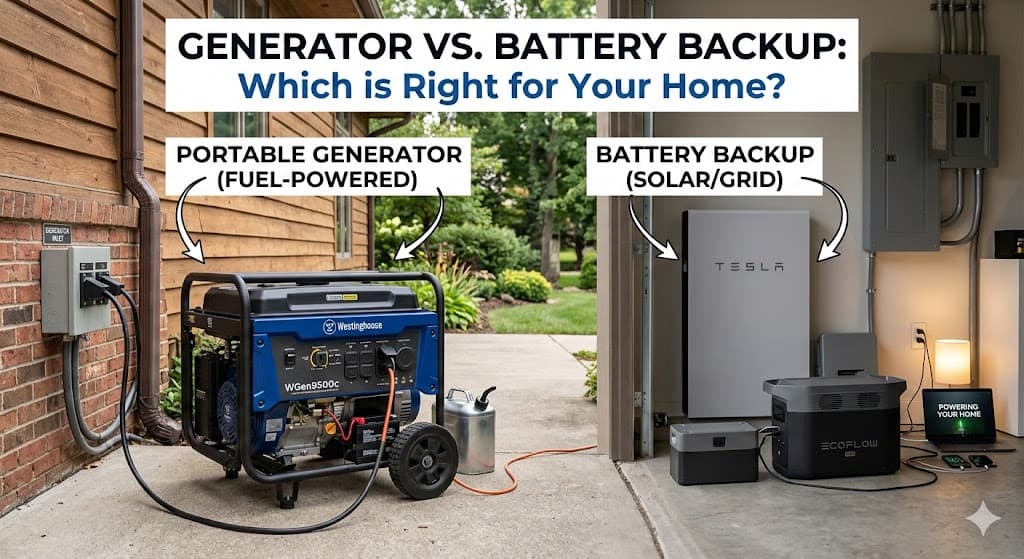
A residential solar panel installation in Ontario costs $2.42 to $3.50 per watt fully installed in 2026, before any incentives. The exact rate depends on roof complexity, panel tier, inverter choice (string versus microinverter), and whether you bundle battery storage. That per-watt figure includes panels, inverter, racking, wiring, all permits, ESA inspection, and the local utility interconnection application. It does not include the optional battery, which adds $19,000 to $24,000 for a Tesla Powerwall 3 (13.5 kWh).
By system size, installed cost before incentives in Ontario in 2026: a 5 kW system runs $13,000 to $18,000 (best for smaller homes, 1 to 2 person households). A 7.5 kW system runs $18,000 to $24,000 (most popular for a 1,500 to 2,000 square foot Ontario home). A 10 kW system runs $24,000 to $30,000 (larger homes, EV charging, high-consumption households). A 12 kW system runs $28,000 to $35,000 (the new Ontario residential maximum, raised from 10 kW on May 1, 2026).
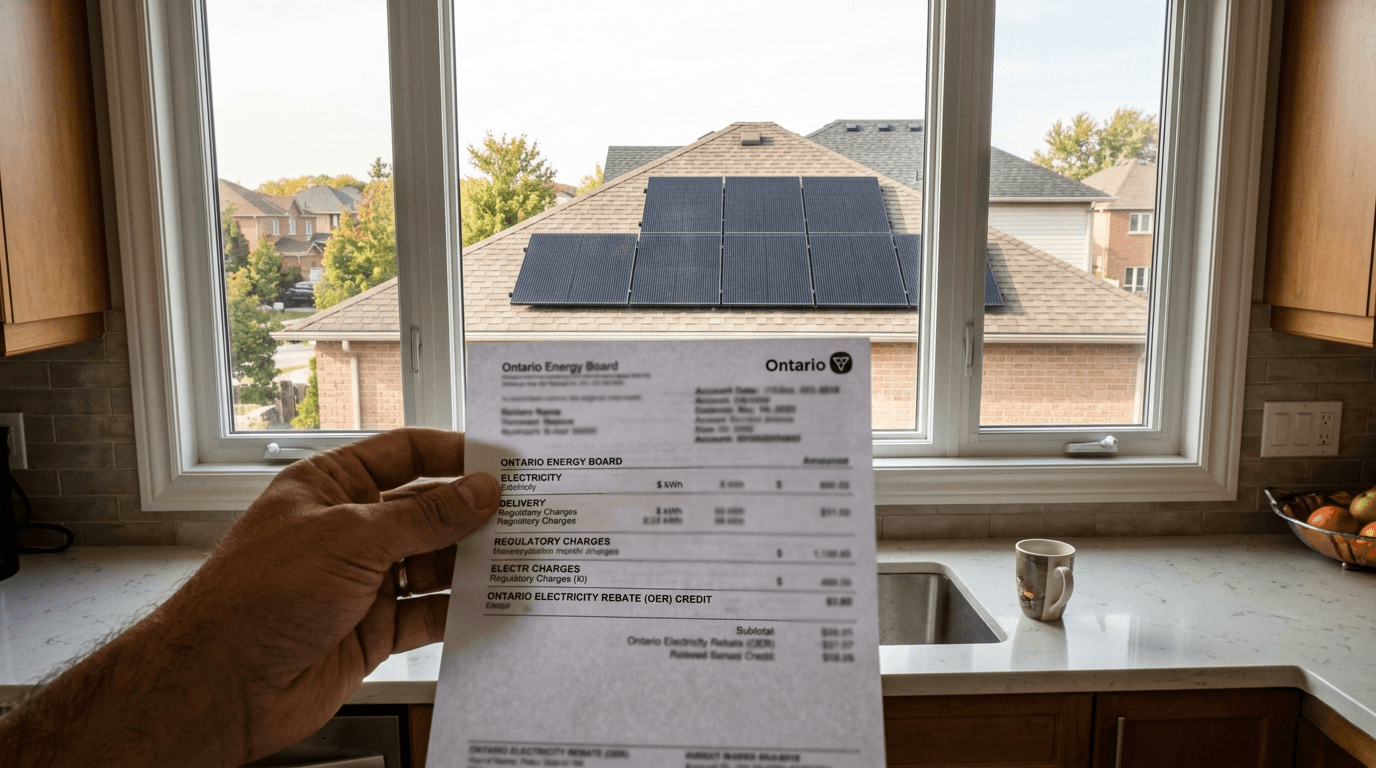
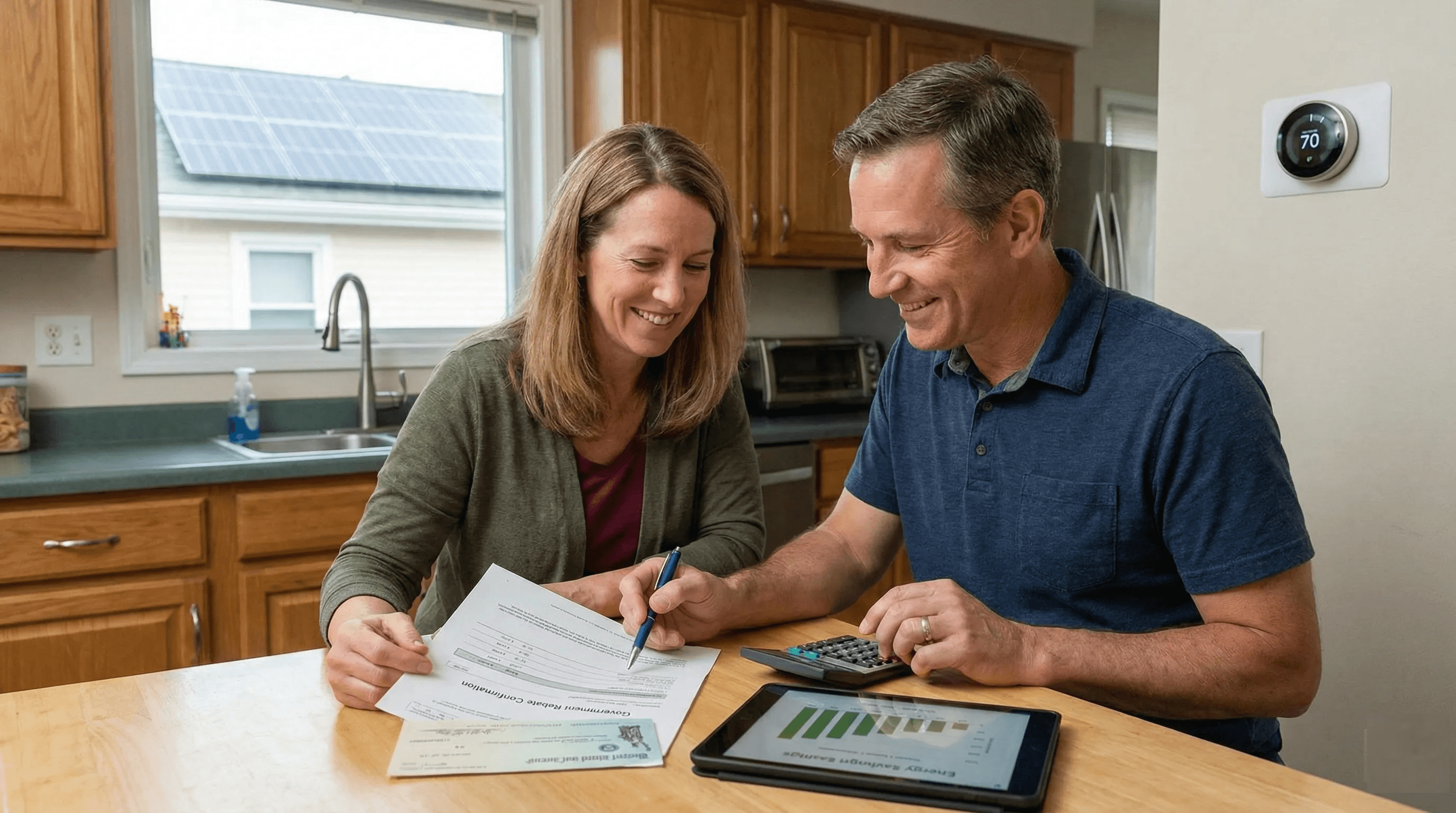
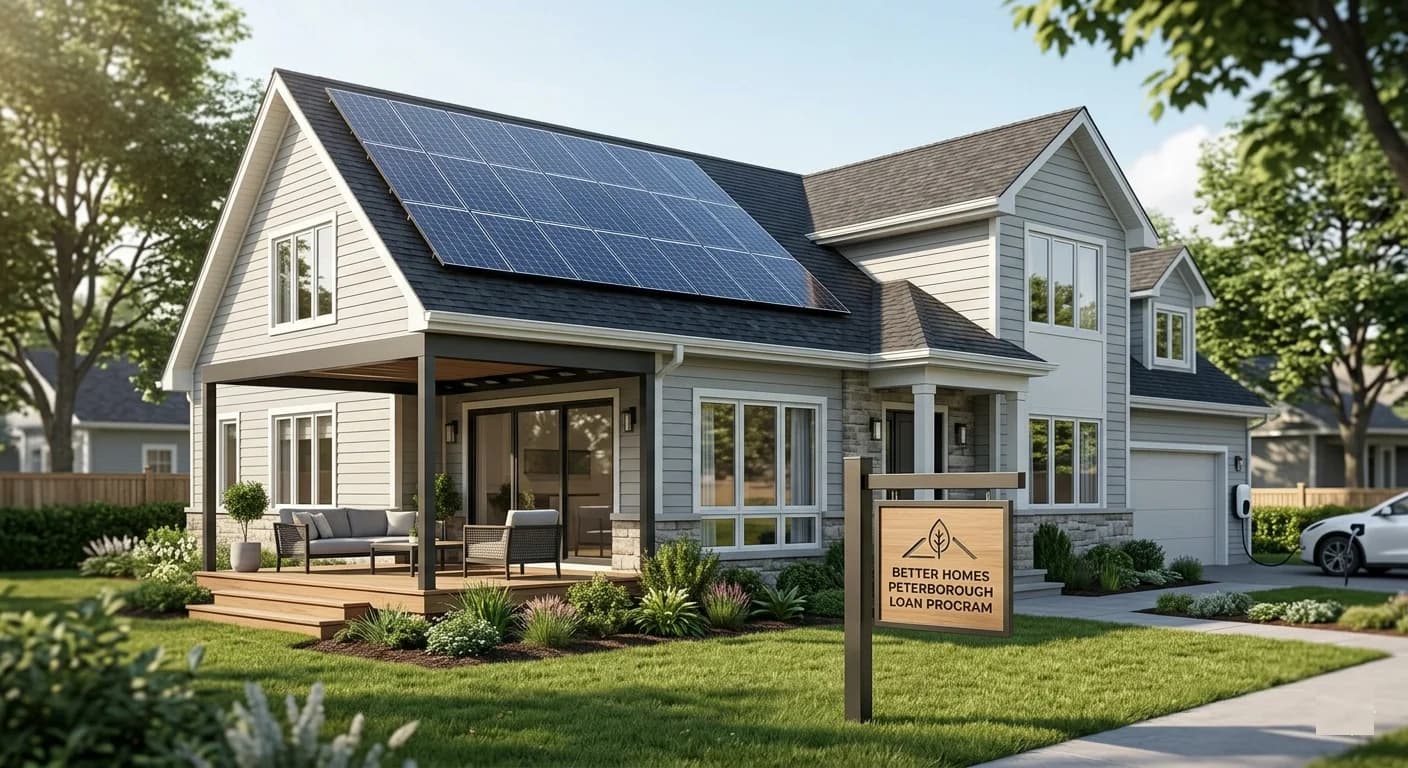
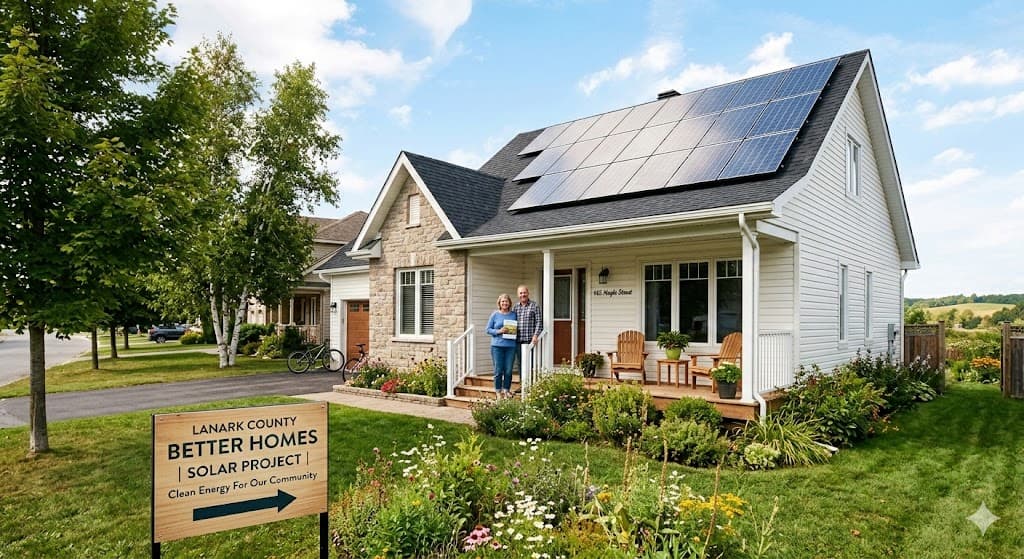
The Ontario rebate stack reduces net cost by up to $10,000: HRSP solar rebate pays $1,000 per kW of installed capacity capped at $5,000 (maximum 5 kW rebate-eligible system). HRSP battery rebate pays $300 per kWh of installed battery storage capped at $5,000 when paired with solar. Municipal LIC financing programs (Better Homes Kingston, BetterHomes Dufferin, Toronto HELP, Better Homes Hamilton, Better Homes Peterborough, Aurora HERLP) offer low-interest loans repaid through property taxes, often bringing the upfront payment to near zero. A 7.5 kW system on a typical Ontario home pays itself back in 6 to 10 years at current Time-of-Use and Ultra-Low Overnight rates, then keeps producing electricity at zero marginal cost for another 15 to 20 years on a 25 to 30 year panel warranty.
HRSP Rebate vs Net Metering: Which Path Is Right for Your Ontario Home?
Every Ontario homeowner adding residential solar in 2026 has to make one decision before the system is designed: take the Home Renovation Savings Program (HRSP) rebate, or stay on net metering. You cannot have both. The HRSP solar stream requires a load-displacement configuration with zero grid export, which is incompatible with net metering's 1-to-1 retail-rate export credits. This is set by Ontario regulation, not by Solar X, and it cannot be changed after the system is commissioned without significant cost.
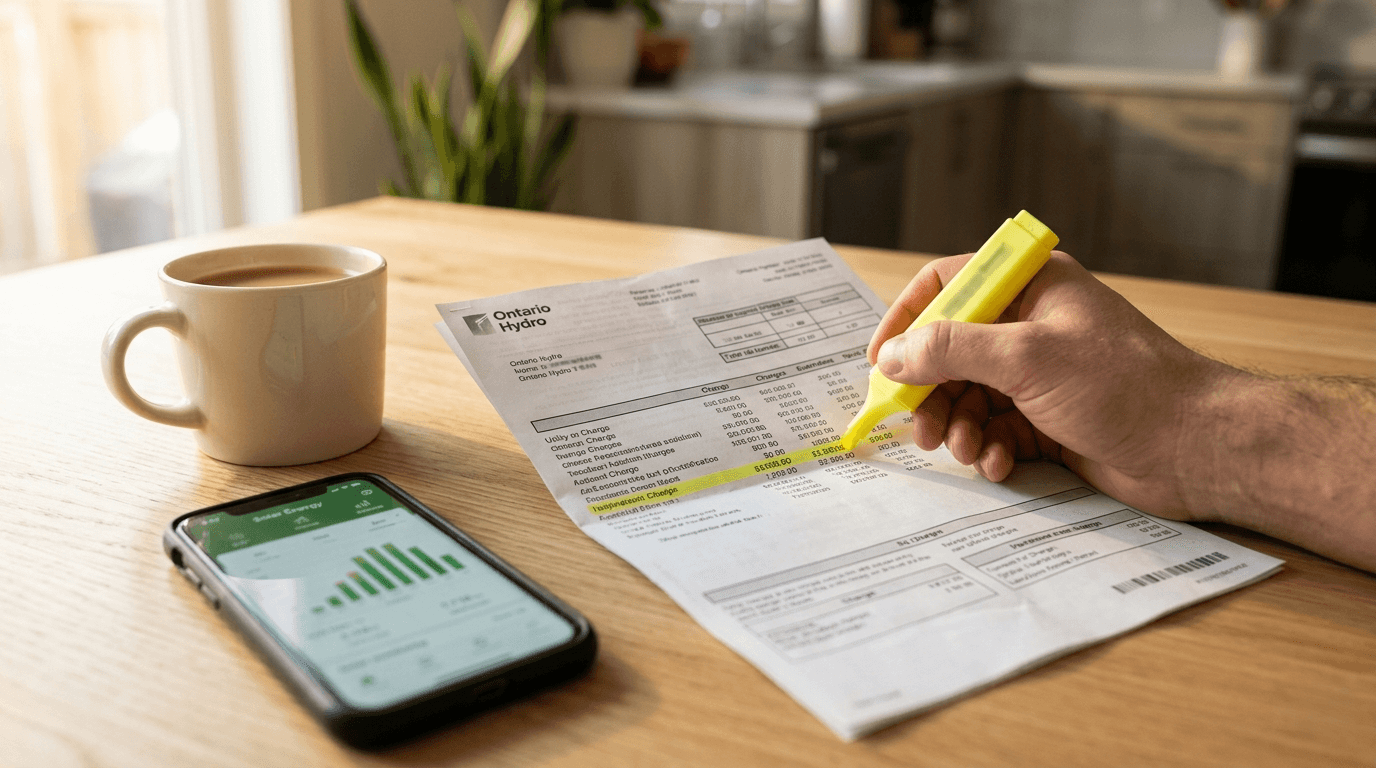
Picking the wrong path costs money two ways. Pick HRSP without battery storage and 15 to 25 percent of solar production is wasted through curtailment. Pick net metering and you forfeit the $5,000 HRSP solar rebate plus the $5,000 HRSP battery rebate, up to $10,000 total. The right answer depends on the home: HRSP load displacement is best for homes with electric baseboard, oil, propane, or wood heat, on or planning to switch to the Ultra-Low Overnight rate plan, adding battery storage. Net metering is best for homes with natural gas heat, strong south-facing daytime export, annual consumption under 10,000 kWh, no battery in the plan. Solar X models both scenarios on your actual 12-month hydro consumption from your local utility before quoting, so you choose with real numbers rather than rules of thumb.
How to Choose a Residential Solar Installer in Ontario
Ontario has roughly 400 active residential solar installers as of 2026. The price spread is wide and the quality spread is wider. Six checks separate a 25-year investment from a 5-year headache. Three are non-negotiable: the installer must be an ESA/ECRA Licensed Electrical Contractor (Solar X holds Licence 7017538, verifiable on the ESA Contractor Locator); the installer must be a Save on Energy registered HRSP contractor (without this, you cannot access the $5,000 solar rebate or the $5,000 battery rebate); the installer must provide a written workmanship warranty that is separate from the panel manufacturer warranty.
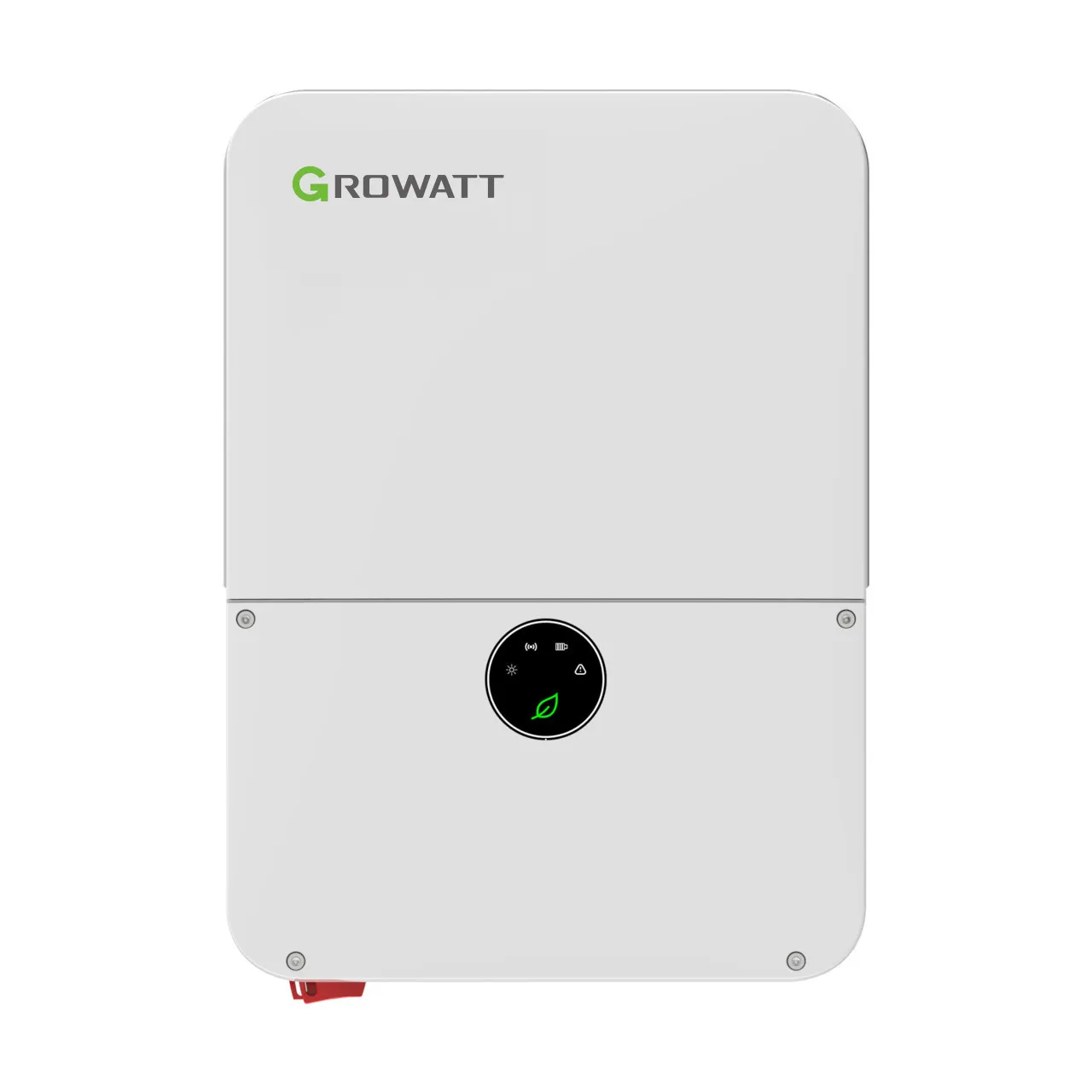
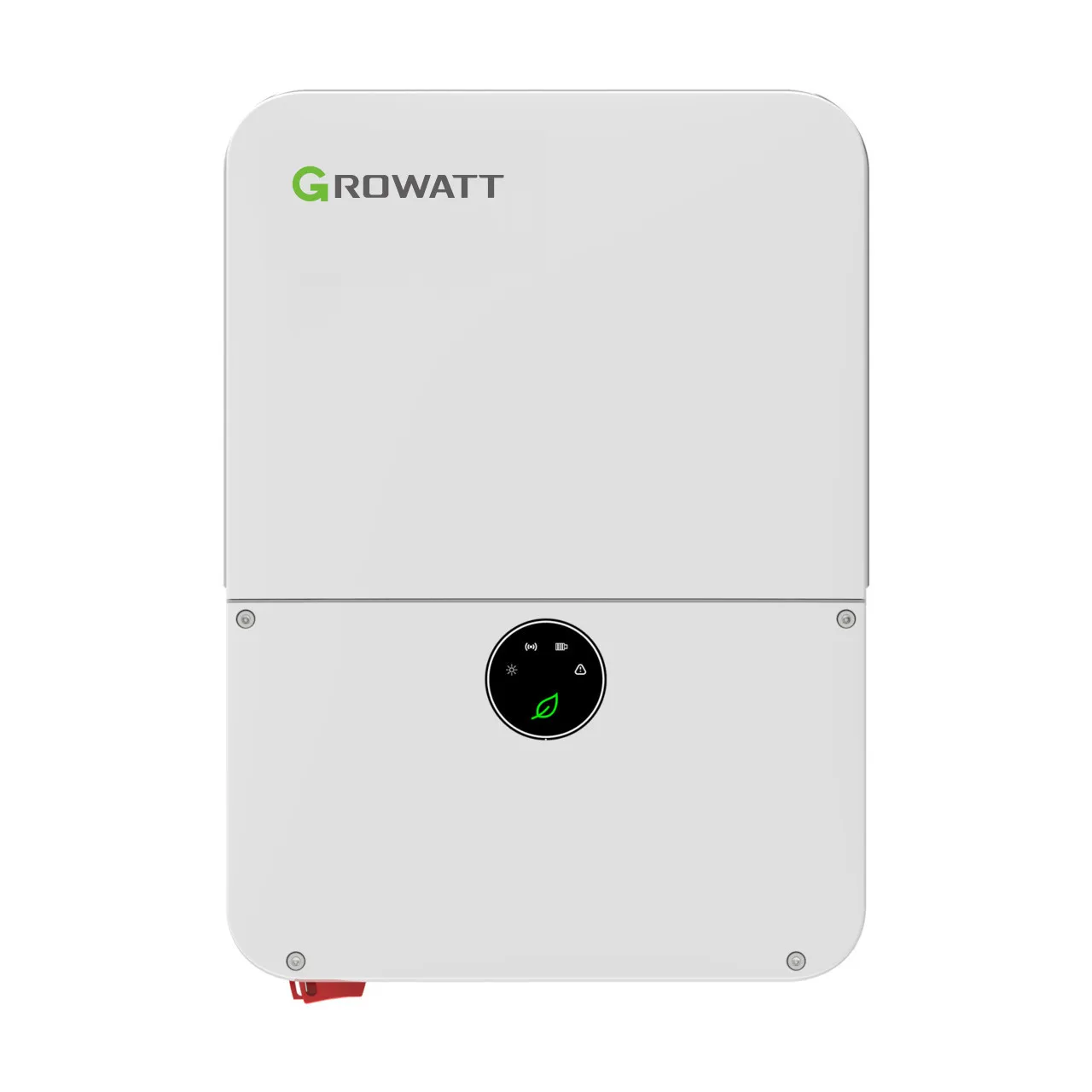
Three additional checks separate good installers from great ones. Verify actual install count, not years in business: Solar X has completed 10,000+ installations totalling 118 MW across Ontario, Alberta, Nova Scotia, and New Brunswick since 2018. Insist on Tier-1 panels (Canadian Solar, Trina, Longi, JA Solar) and brand-name inverters (Enphase, SolarEdge, Tesla, Sigenergy) named in the quote with model numbers. Confirm that all permits, the ESA inspection, and the local distribution company (LDC) interconnection application are bundled into the price. Red flags that should end the conversation: door-to-door sales pressure with a today-only discount, refusal to put equipment make and model in writing, promised production estimates without seeing your roof or 12-month hydro bill, inability to produce ESA licence number on demand, and quotes that have no line-item breakdown.
Frequently Asked Questions about Residential Solar in Ontario
How much do residential solar panels cost in Ontario in 2026? Residential solar in Ontario costs $2.42 to $3.50 per watt installed in 2026, fully inclusive of panels, inverter, racking, wiring, permits, ESA inspection, and utility interconnection application. A typical 7.5 kW system runs $18,000 to $24,000 before incentives; a 10 kW system runs $24,000 to $30,000. After the HRSP solar rebate ($5,000), HRSP battery rebate ($5,000), and available municipal LIC financing, net upfront cost drops by up to $10,000.
Are solar panels worth it for an Ontario home? Yes for most Ontario homes. With Ontario's Time-of-Use rates at 20.3 cents/kWh on-peak and the Ultra-Low Overnight plan's 39.1 cents/kWh on-peak, a properly sized 7.5 to 10 kW system pays itself back in 6 to 10 years and continues producing free electricity for the remaining 15 to 20 years of its 25 to 30 year warranty. Ontario rates rose 29 to 30 percent in November 2025, which only improves the math.
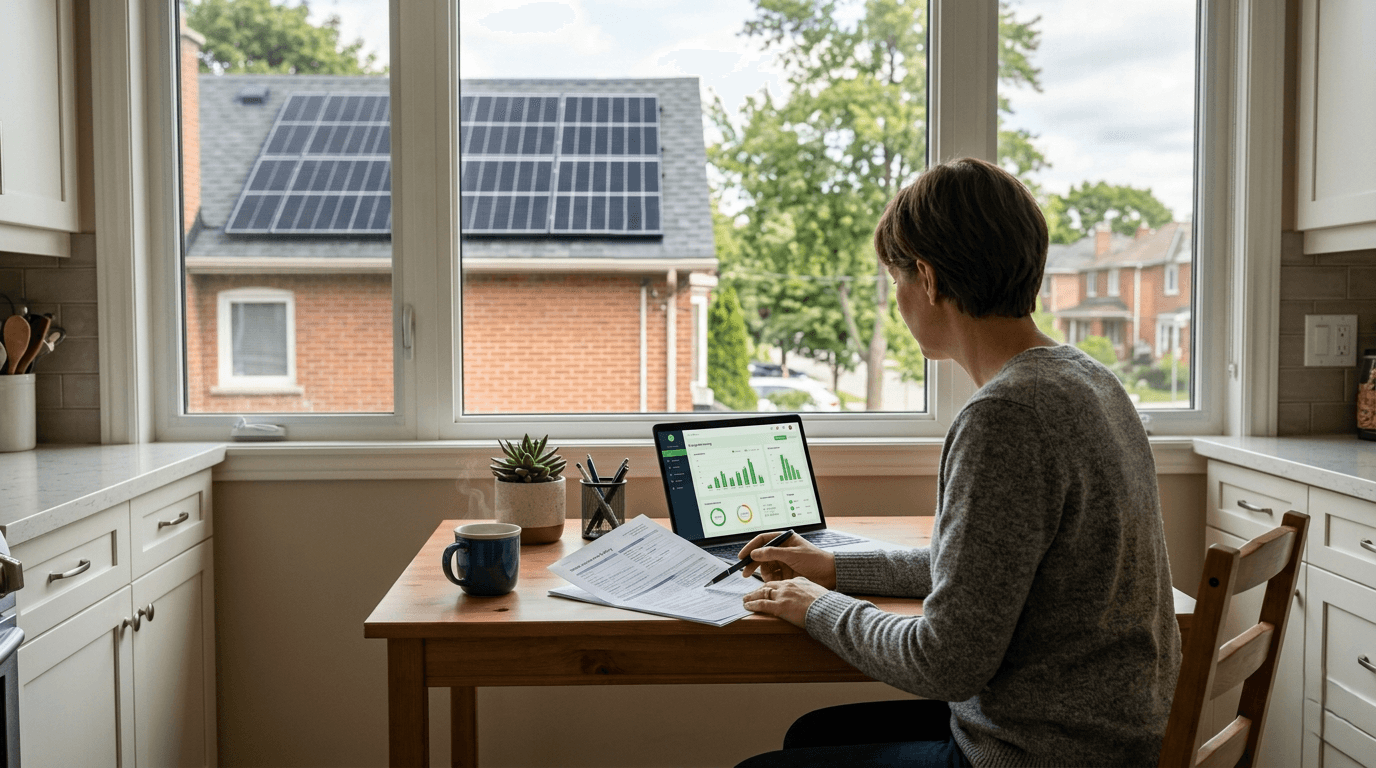
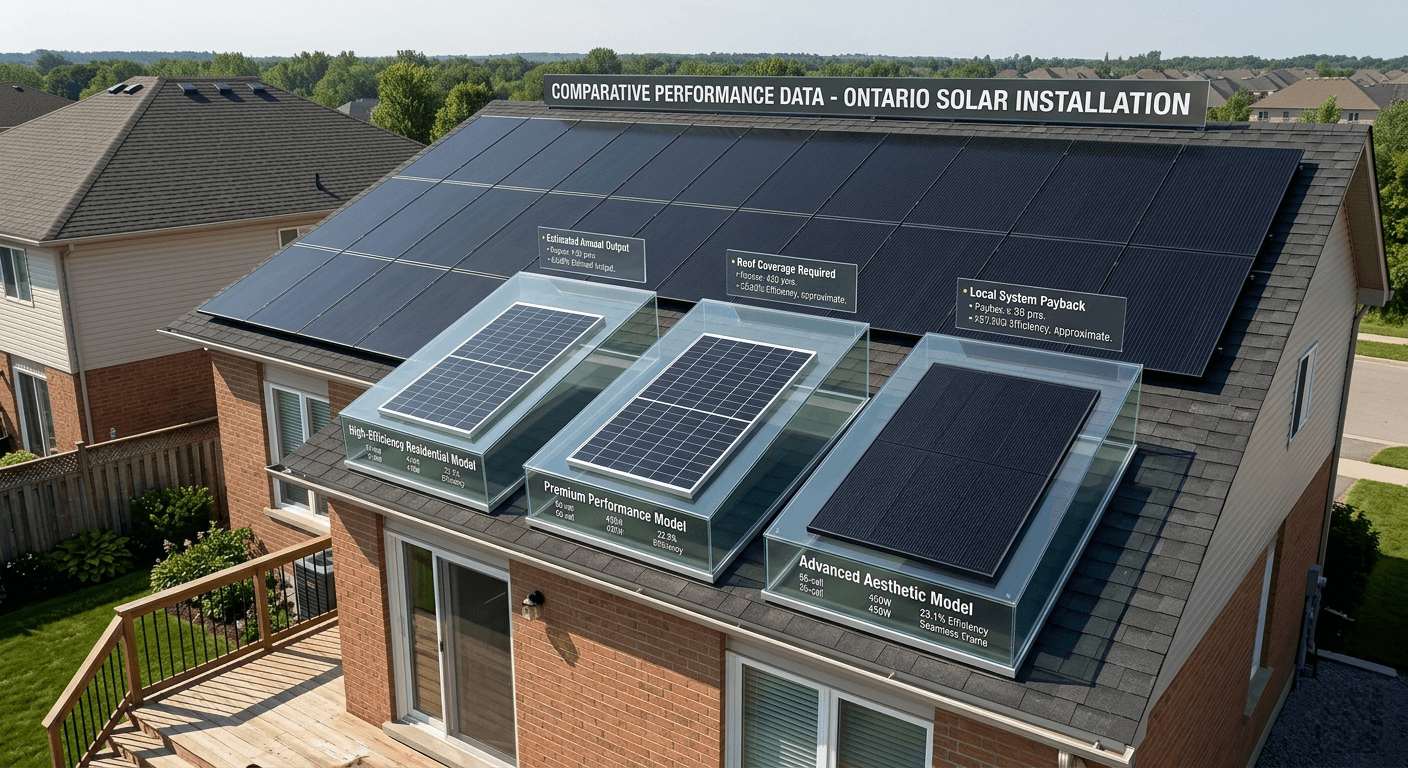
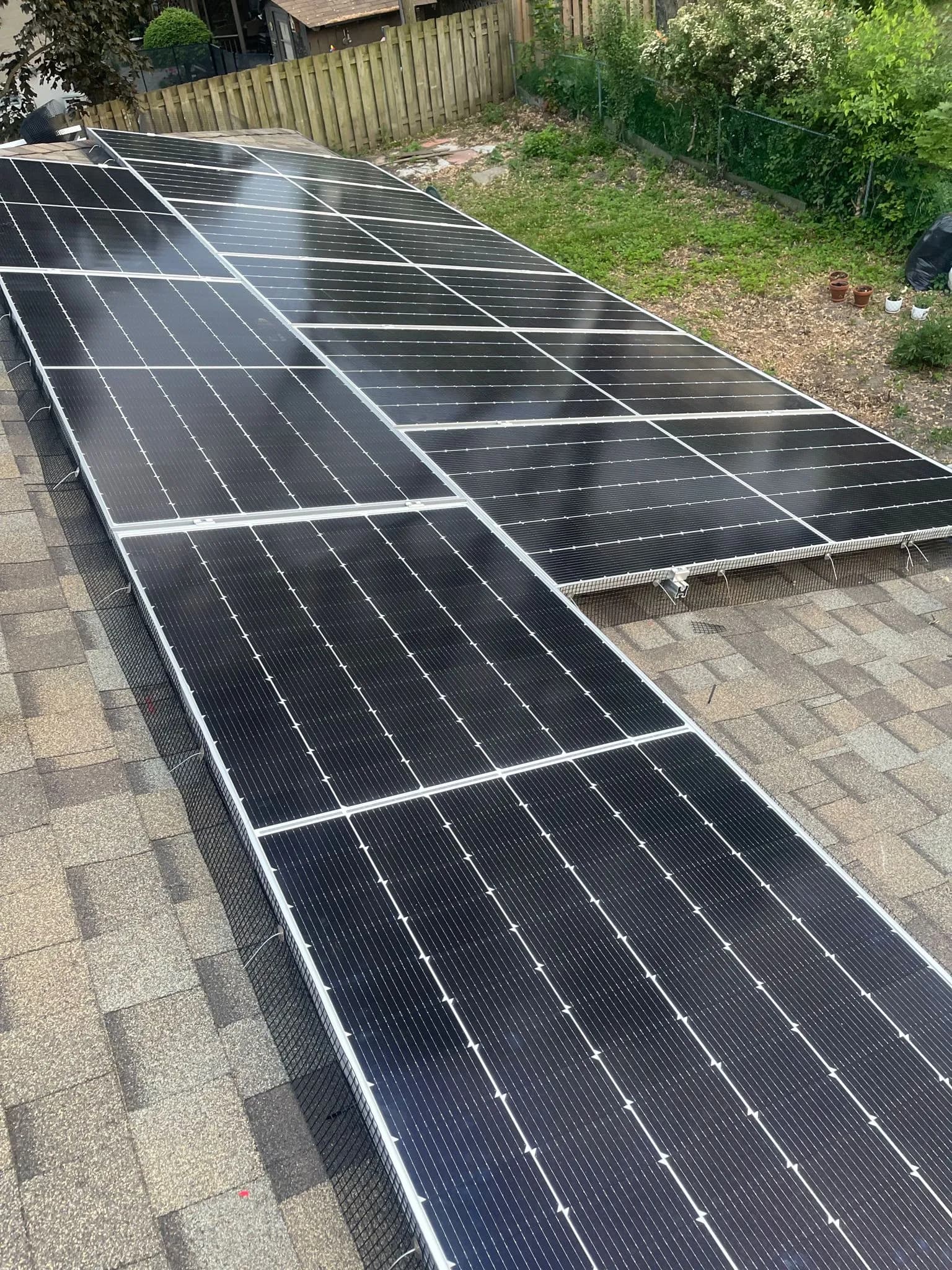
How many solar panels do I need to power my Ontario home? Most Ontario homes need a 5 to 12 kW system, which is 12 to 28 panels depending on panel wattage (400 to 500W modules are standard in 2026). Exact sizing depends on your annual kWh consumption from your last 12 months of hydro bills, your roof orientation, available roof area, and shading. Solar X uses your actual 12-month consumption from your local utility, not square-footage estimates.
What rebates can I get for residential solar in Ontario? The Ontario Home Renovation Savings Program (HRSP) pays $1,000 per kW of installed solar capacity capped at $5,000, plus $300 per kWh of battery storage capped at $5,000, for up to $10,000 combined. The HRSP solar rebate requires load displacement (zero grid export), which is incompatible with net metering. Municipal LIC programs (Better Homes Kingston, BetterHomes Dufferin, Toronto HELP) offer low-interest financing repaid through property taxes. The Canada Greener Homes Grant and Loan are closed to new applicants as of 2025.
Do I need a permit to install solar panels on my house in Ontario? Yes. Every residential solar installation in Ontario requires an ESA (Electrical Safety Authority) permit and inspection, a building permit from your municipality, and an interconnection application with your local distribution company (Hydro One, Toronto Hydro, Alectra, etc.). Only ESA/ECRA Licensed Electrical Contractors can pull these permits. Solar X (ESA Licence 7017538) handles all permits and inspections as part of every install.
Who is the best residential solar installer in Ontario? The best residential solar installer in Ontario meets six criteria: ESA/ECRA Licensed Electrical Contractor status, Save on Energy registered HRSP contractor status, a written workmanship warranty separate from the panel manufacturer warranty, a track record measured in install count rather than years in business, Tier-1 panels and brand-name inverters named in the quote, and all permits and inspections bundled into the price. Solar X meets all six, with 10,000+ installations totalling 118 MW across Ontario, Alberta, Nova Scotia, and New Brunswick since 2018.


.webp&w=3840&q=75)
.webp&w=3840&q=75)
.webp&w=3840&q=75)
.webp&w=3840&q=75)




%2520620w%2520Bifacial.webp&w=3840&q=75)
.webp&w=3840&q=75)




.svg)


.webp&w=3840&q=75)
.webp&w=3840&q=75)




.webp&w=3840&q=75)


.jpeg&w=3840&q=75)


