
Bundling home energy upgrades with a solar panel installation saves Canadian homeowners thousands in labour costs — key additions include 200-amp electrical panel upgrades, EV charger conduit rough-ins, attic insulation top-ups, and heat pump pre-wiring, all of which synergize with solar to maximize energy savings. Coordinating these upgrades under one ESA-certified contractor also streamlines permit approvals and utility interconnection applications. Solar X helps Ontario homeowners plan comprehensive energy upgrades during their solar project to avoid costly future retrofits.

Home Energy Upgrades You'll Regret Not Doing While Installing Rooftop Solar
Last verified: March 4, 2026
Adding a rooftop solar array to your home or business is an exciting step toward energy independence—but it can also be expensive. While it might be tempting to cut corners to save costs, some upgrades are much cheaper and easier to complete during your solar installation than to add later.
Just like a mechanic can handle extra repairs more efficiently when your car is already open, certain home energy upgrades are far simpler to do while your solar system is being installed. Delaying them often means reopening permits, calling electricians back out, or even temporarily removing panels—all of which add significant labor costs.
Here are five upgrades solar homeowners often regret skipping:
1. Panel Upgrades
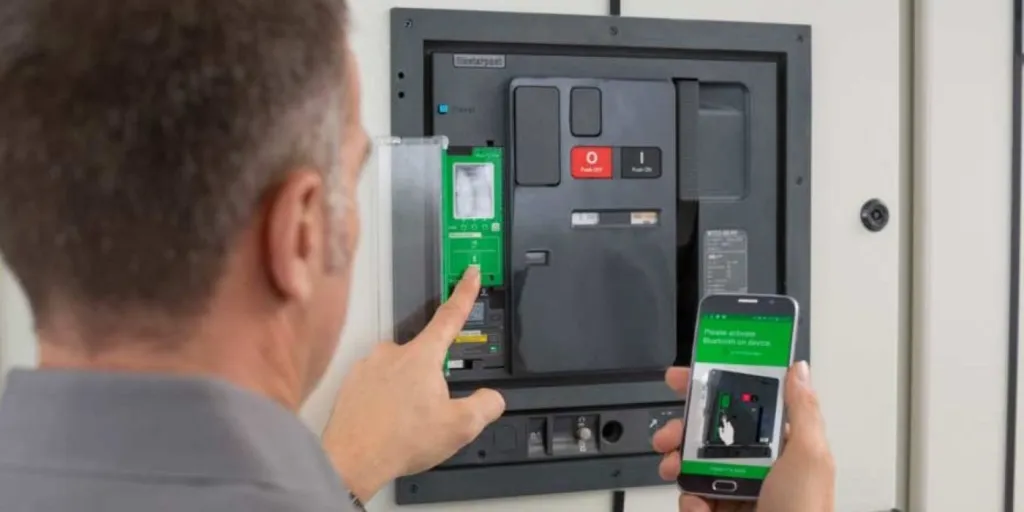
Even if your solar panels work perfectly today, skipping a panel or service upgrade can cause headaches down the road—especially if you plan to electrify your home with an EV, heat pump, or backup battery.
What to Consider:
- Upgrade from a 60A to 100A or 200A service: Modern homes need more electrical capacity for solar, EVs, heat pumps, and other high-demand appliances. A 200A panel provides flexibility for future upgrades.
- Install a smart panel: Systems like Leviton, Schneider, or SPAN offer load-shedding capabilities that automatically manage your home's energy usage, preventing circuit overloads and optimizing solar efficiency.
Doing this during your initial install avoids shutting down your solar array later, reopening permits, and paying for electricians to come back. The cost difference between upgrading during solar installation versus later can be $2,000-$4,000 in additional labor and permitting fees.
💡 Smart Panel Benefits: Smart panels like SPAN can prioritize critical loads during outages, manage EV charging schedules, and provide real-time energy monitoring—all from your smartphone.
2. Battery-Ready Electrical
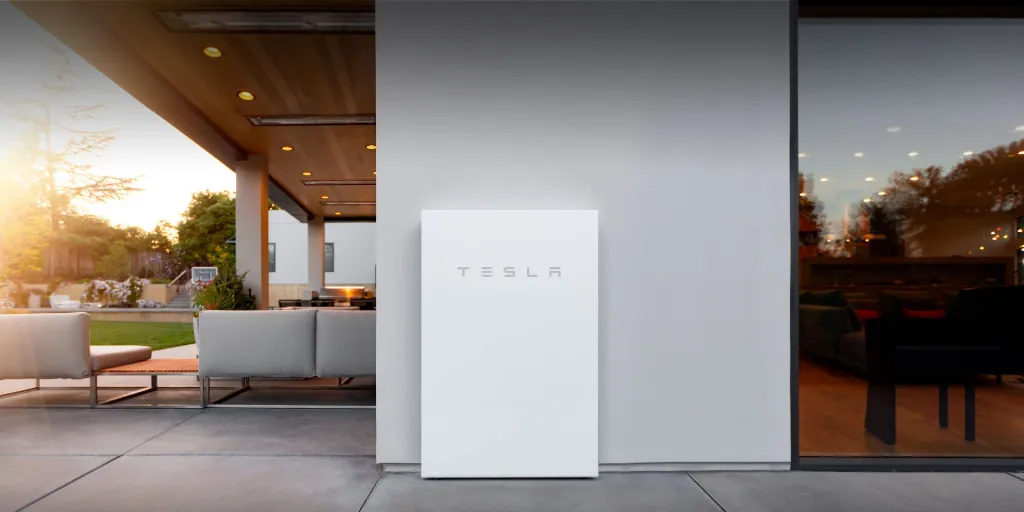
You might not need a home battery now—but as outages increase, time-of-use rates become common, or you add an EV, you could regret not preparing your system in advance.
Battery-Ready Steps to Take:
- Pre-install a transfer switch: This allows your home to seamlessly switch between grid power, solar, and battery backup. Installing it during solar installation can save up to $1,500 in labor costs, depending on system scope.
- Leave space for battery breakers: Reserve dedicated breaker slots and conduit runs in your electrical panel for future battery connections. This simple step costs almost nothing now but saves thousands later.
- Choose a battery-compatible inverter: Hybrid inverters like SolarEdge or Enphase IQ8 can handle both solar and battery storage. Upgrading from a standard inverter to a hybrid adds only $500-$1,000 during initial install but costs $3,000-$5,000 as a retrofit.
Waiting until later means more permits, inspections, and duplicate labor—costs that often outweigh the savings of delaying the upgrade. Battery prices are dropping 15-20% annually, so preparing your system now lets you add storage when prices become more attractive.
⚡ Future-Proofing: Battery storage isn't just for outages. Time-of-use rates in Ontario, Alberta, and other provinces make batteries financially viable by storing cheap solar power for use during expensive peak hours.
3. Whole-Home Energy Monitoring
Seeing lower energy bills is great—but do you know exactly where your electricity is going? Smart home energy monitors provide insight into energy usage and can help you save even more.
Benefits of Energy Monitoring:
- Real-time consumption tracking: See which appliances and circuits are using the most power, helping you identify energy vampires and optimize usage patterns.
- Solar production visibility: Monitor your solar system's performance in real-time and receive alerts if production drops, indicating potential issues.
- Cost tracking: Understand exactly how much money you're saving with solar and where you can save more by adjusting consumption habits.
- Smart home integration: Many monitors integrate with home automation systems to automatically control high-draw appliances during peak solar production.
Installing these systems during the initial solar setup is cheaper than adding them later because it avoids extra labor and disruption. Systems like Sense, Emporia, or integrated monitoring from Enphase or SolarEdge can be installed for $200-$500 during solar installation versus $500-$1,000 as a retrofit.
📊 Data-Driven Savings: Studies show homeowners with energy monitoring reduce consumption by an additional 10-15% simply by becoming aware of their usage patterns.
4. Roof Repairs and Solar Prep
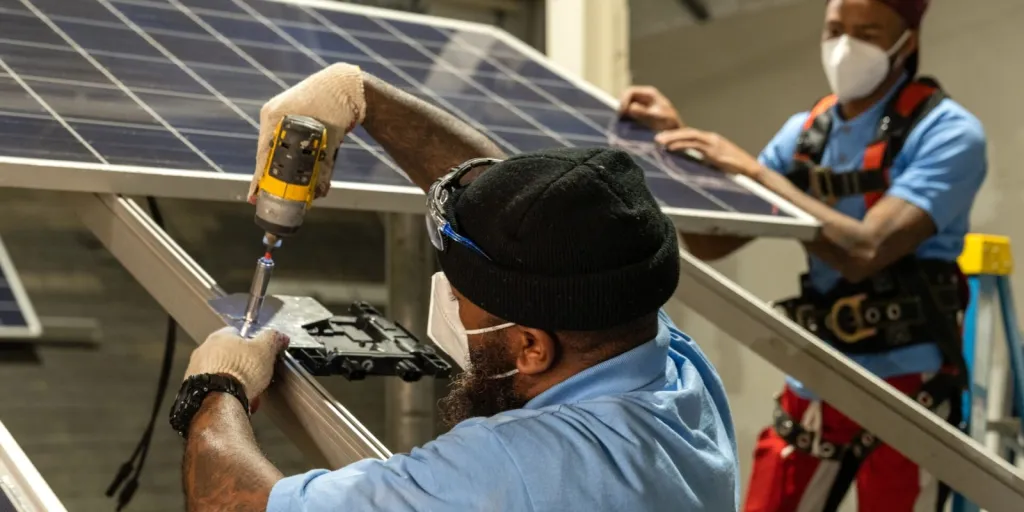
Even if your roof seems fine now, solar-specific prep can save you headaches later. Solar panels last 25-30 years, so your roof needs to be in excellent condition to avoid costly panel removal and reinstallation.
Roof Prep Tips:
- Install fresh underlayment in the panel area: Adding high-quality synthetic underlayment beneath where panels will be installed provides extra protection against leaks and extends roof life. This is nearly impossible to do once panels are installed.
- Improve flashing around roof penetrations: Proper flashing around mounts, vents, and chimneys is critical. Upgrading to premium flashing materials during solar installation prevents water intrusion that can cause thousands in damage.
- Strengthen the roof structure if needed: Older homes may need additional bracing or decking repairs. Addressing this before panels go up ensures your roof can safely support the solar array for decades.
- Replace aging shingles: If your roof is over 15 years old, consider replacing it before solar installation. Removing and reinstalling panels later costs $2,000-$5,000.
Removing and reinstalling panels years later can be one of the most expensive mistakes homeowners make—so it's worth addressing during your initial install. A typical panel removal and reinstallation for roof repairs costs $100-$200 per panel, adding $3,000-$6,000 to a roof replacement project.
⚠️ Roof Age Warning: If your roof is more than 15 years old, get a professional inspection before installing solar. Asphalt shingles typically last 20-25 years, so a 15-year-old roof may need replacement within your solar system's warranty period.
5. Work with Trusted Professionals
None of this is one-size-fits-all advice. Electrical and construction decisions should always involve a reputable, experienced solar electrician. Get multiple quotes, ask plenty of questions, and make sure your installer has a proven track record.
What to Look for in a Solar Installer:
- Licensing and certifications: Verify proper electrical licensing, solar certifications (NABCEP), and insurance coverage ($5 million+ liability).
- Experience and references: Ask for recent project examples, customer references, and photos of completed installations similar to your home.
- Warranty coverage: Ensure they offer comprehensive workmanship warranties (10+ years) in addition to manufacturer warranties on equipment.
- Transparent pricing: Get detailed quotes breaking down equipment, labor, permits, and any recommended upgrades. Beware of installers who pressure you or won't explain costs.
- Local reputation: Check reviews, Better Business Bureau ratings, and local solar forums. Local installers will be there for warranty service and support.
Once you've vetted your installer, the final step before signing is confirming how your home insurance covers solar panels in Ontario — most insurers require notification when solar is added, and your dwelling coverage should be updated to include the system's replacement value.
At Solar X, we specialize in comprehensive solar installations that include all necessary electrical upgrades, future-proofing, and professional roof preparation. Our certified electricians work with you to identify which upgrades make sense for your specific situation and budget.
Take the Next Step
Ready to do solar right the first time? Get a comprehensive quote that includes all recommended upgrades for your home.
Getting quotes from several installers is a smart move. Compare options, ask plenty of questions, and ensure your installer provides transparent pricing and proven experience—often saving 20-30% compared to accepting the first quote.
Key Takeaways
Upgrade your electrical panel during solar installation to avoid costly retrofits when adding EVs, heat pumps, or batteries later.
Prepare for battery storage now with hybrid inverters and pre-wiring, even if you're not installing batteries immediately.
Install whole-home energy monitoring during solar setup to maximize savings and identify optimization opportunities.
Address roof repairs and upgrades before panels go up—removing panels for roof work later costs $2,000-$5,000.
Work with experienced, certified professionals who can guide you through all upgrade decisions and provide comprehensive warranties.